Should You Buy a New Hermès Bag in 2026 or Go for a Pre-Loved One? Full Comparison
There is no right or wrong answer when it comes to buying Hermès bags, whether retail or resale. Both have their advantages and disadvantages. As you read this blog, you will be able to decide which option is best for you.
The Status Quo of Hermès Bags
If you thought Hermès bags were just shiny trophies for wannabe Kardashians or props for Instagram brags, you’re only half right. Yes, they can be social flexers—but that’s not why Hermès is Hermès. The gravity-defying demand and ever-soaring prices of these handbags attest to their status as cultural icons. Woven with heritage, craftsmanship, and exclusivity, their power extends beyond boutiques—they rule the resale market, too.

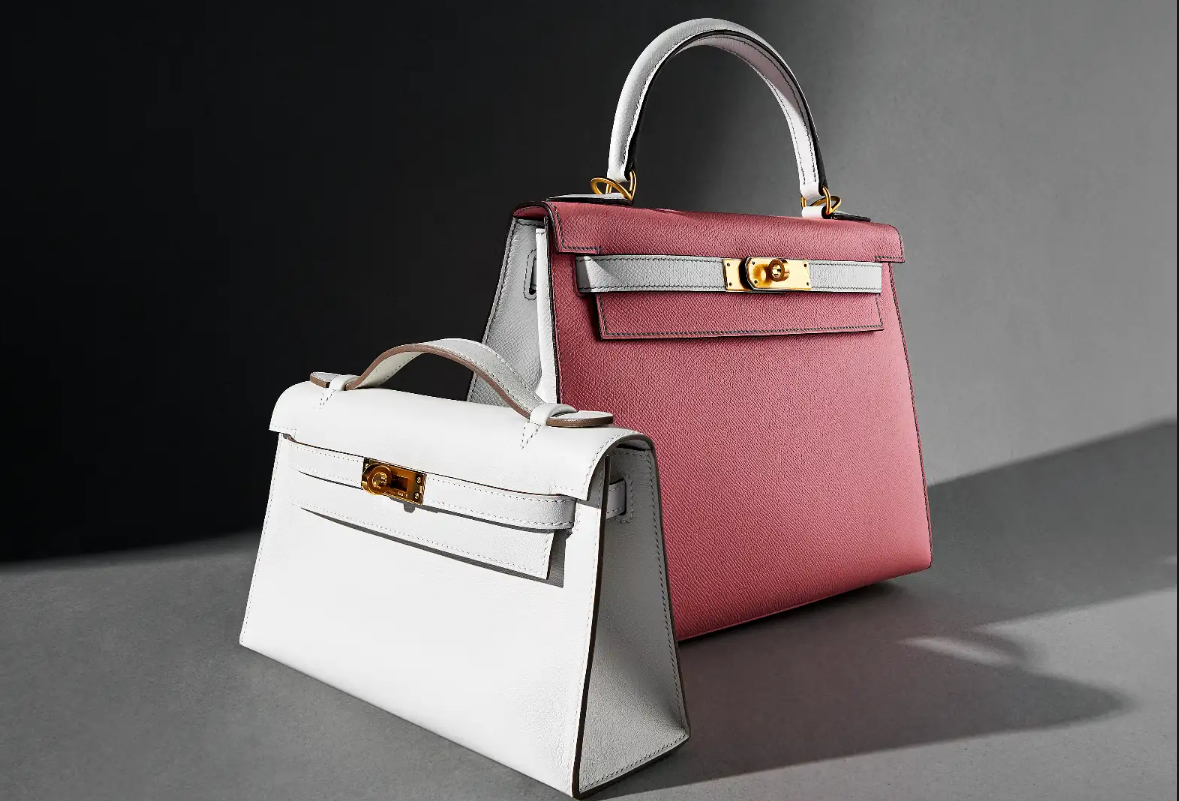
Take the Birkin and the Kelly: handbags that have transcended fashion to become investment assets. Their prices reach stratospheric levels, yet collectors, connoisseurs, and the world’s elite still lust after them—cementing their status as the undisputed queens of the handbag universe. They’re queued for in retail, pined for in resale, and worshipped everywhere in between.
Which brings us to the real dilemma: do you play the long game at retail, navigating the infamous “pre-spend” ritual, or dive straight into resale for instant purchase (at a premium)? Let’s unpack both worlds—with 2025 pricing updates, insider insights, and a side-by-side comparison to help you decide where to begin your Hermès journey.
Hermès Retail vs. Resale: Understanding Both Worlds
Hermès isn’t just selling handbags—it’s selling a paradox. On one hand, the brand deliberately keeps supply under lock and key, turning Birkins and Kellys into near-mythical objects. On the other hand, this scarcity has cracked open a resale market so powerful it sometimes makes Wall Street look tame.
The result? A two-track universe: some buyers chase the boutique ritual (velvet ropes, whispered offers, the elusive “pre-spend”), while others head straight for resale, where instant access comes at a premium. To understand Hermès in 2025, you need to see how these two worlds feed off each other—and why the secondary market is not just thriving, but reshaping the rules of luxury ownership.
Retail Buying: Scarcity, Store Experience, Pricing, and Pre-Spend
Purchasing a Hermès handbag directly from a boutique is the traditional route, steeped in prestige but not without hurdles.
Scarcity

Hermès deliberately limits production to maintain exclusivity. Bags like the Birkin or Kelly are rarely available off the shelf. Clients often need to build a purchase history—buying other Hermès products like scarves or jewelry—to be offered a coveted bag. Waitlists can last years, and even then, specific colors, sizes, or leathers may not be guaranteed.
2025 update: Stricter eligibility and revised store policies further tighten access, preserving Hermès’ aura of unattainability.
Store Experience
The Hermès boutique experience is unparalleled. Personalized service, luxurious store environments, and the thrill of being offered a bag create a sense of exclusivity. For many, the ritual is as alluring as the handbag itself. But it demands patience, persistence, and often, purchases beyond the bag.
Pricing
Retail prices for Hermès handbags are high but fixed, with annual increases. In 2025, Hermès raised U.S. prices twice: approximately 7% in January and another 5-10% in May to offset new tariffs. For example:
- A Birkin 25 in Togo leather now starts around $12,700 (up from $12,100 pre-May).
- A Kelly 25 in Epsom leather is about $12,600.
- Larger or exotic versions can exceed $30,000.
These prices exclude taxes or the additional costs associated with building a purchase history.
Purchase Restrictions
Even loyal clients can face caps on what and how much they can purchase. The experience is collaborative, highly curated, and designed to reinforce the sense of privilege.
The Concept of Pre-Spend
To secure highly desirable bags, clients often engage in “pre-spend”—purchasing other Hermès items (e.g., accessories, ready-to-wear, or jewelry) to demonstrate loyalty and increase their chances of being offered a quota bag such as a Birkin or Kelly. This isn’t an official policy, but it’s a well-known practice influenced by factors such as:
- Bag Desirability: Trends affect demand; mini sizes and rare colors/leathers require more pre-spend.
- Client Relationship: Long-term ties with a sales associate (SA) and a boutique can lower the threshold.
- Purchase Variety: Spending across departments (e.g., high-ticket items like fine jewelry) is favored.
Pre-spend amounts vary widely— from 1x to 5x the bag’s retail price (e.g., $12,000–$60,000 for a $12,000 bag)—depending on the boutique’s client base and current demand. This effectively inflates the true cost of retail buying, making resale premiums seem less extreme in comparison. Imagine spending $30,000 on scarves and home goods just to be offered a bag.
Resale Market: Trusted Platforms, Pricing Trends, and Availability
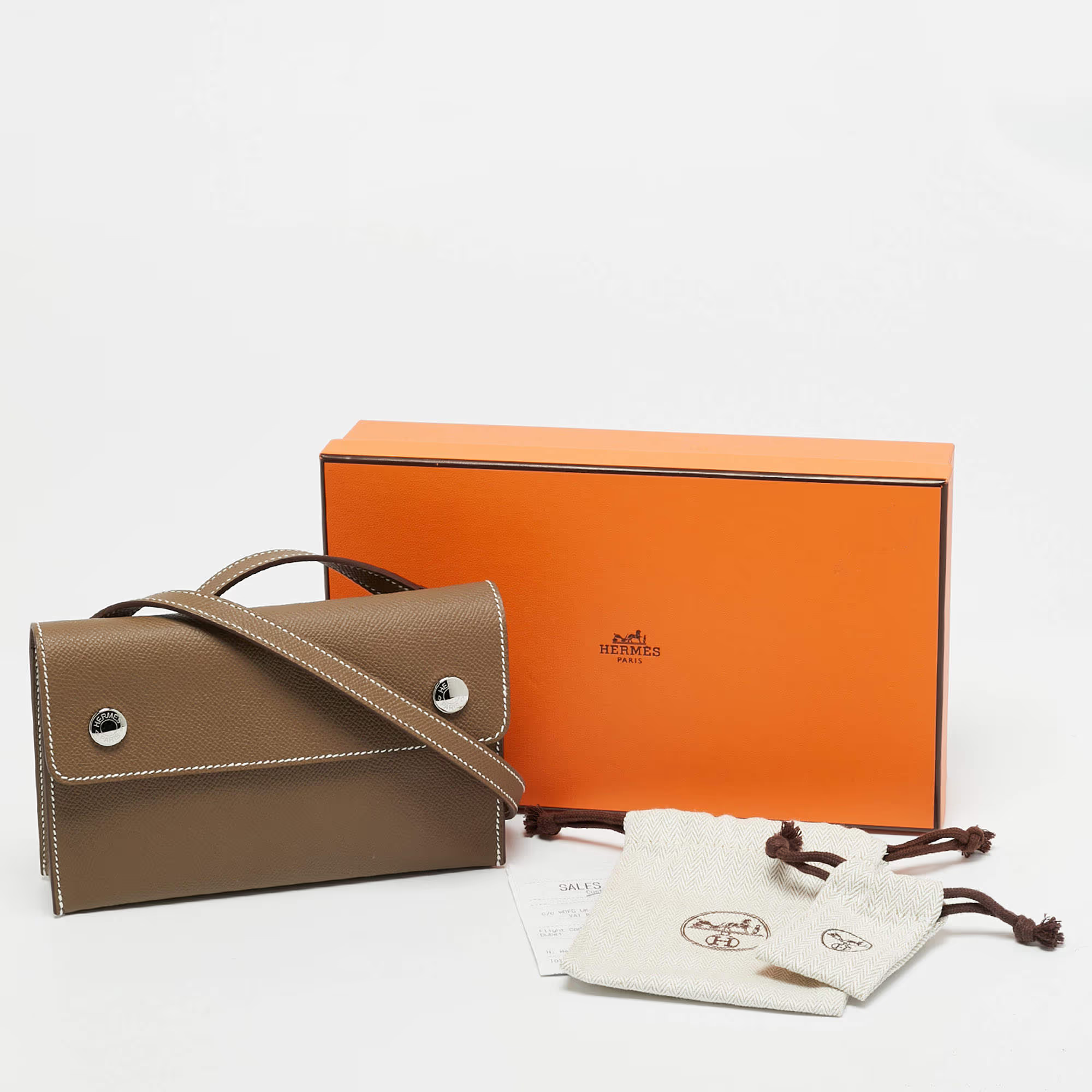
If retail feels like a fortress, resale is the secret passageway. What started as a niche market has exploded into a global powerhouse, driven by key factors:
Professionalization of Resale


The luxury resale market, once unregulated, is now sophisticated—with authentication, condition grading, and guarantees that offer peace of mind for buyers and sellers. Hermès’ exceptional craftsmanship ensures that well-maintained pieces retain, or even increase, in value over time.
Trusted Platforms

Reputable resale platforms like The Luxury Closet, The RealReal, Vestiaire Collective, Sotheby’s, and Christie’s have transformed the market. These platforms authenticate every bag, ensuring buyers receive genuine Hermès products. Specialist resellers like Madison Avenue Couture or Privé Porter focus exclusively on luxury handbags, offering detailed condition reports and white-glove service. Authentication processes often include expert inspections, serial number verification, and documentation, giving buyers confidence.
Pricing Trends
Resale prices for Hermès handbags often exceed retail due to demand and scarcity, with premiums ranging from 25% to over 400% for in-demand models. Prices fluctuate based on condition, leather type, hardware (gold or palladium), and market trends. For 2025:
- A Birkin 25 in Togo leather might sell for $30,000–$32,000 in giftable/excellent condition (vs. retail $12,700).
- Rare models, like a Himalayan Birkin or a diamond-encrusted Birkin, can fetch $100,000+ at auction.
- Some Hermès Kelly models now average a resale value of $37,548 in 2025—far surpassing retail for specific colors, leathers, and rarities.
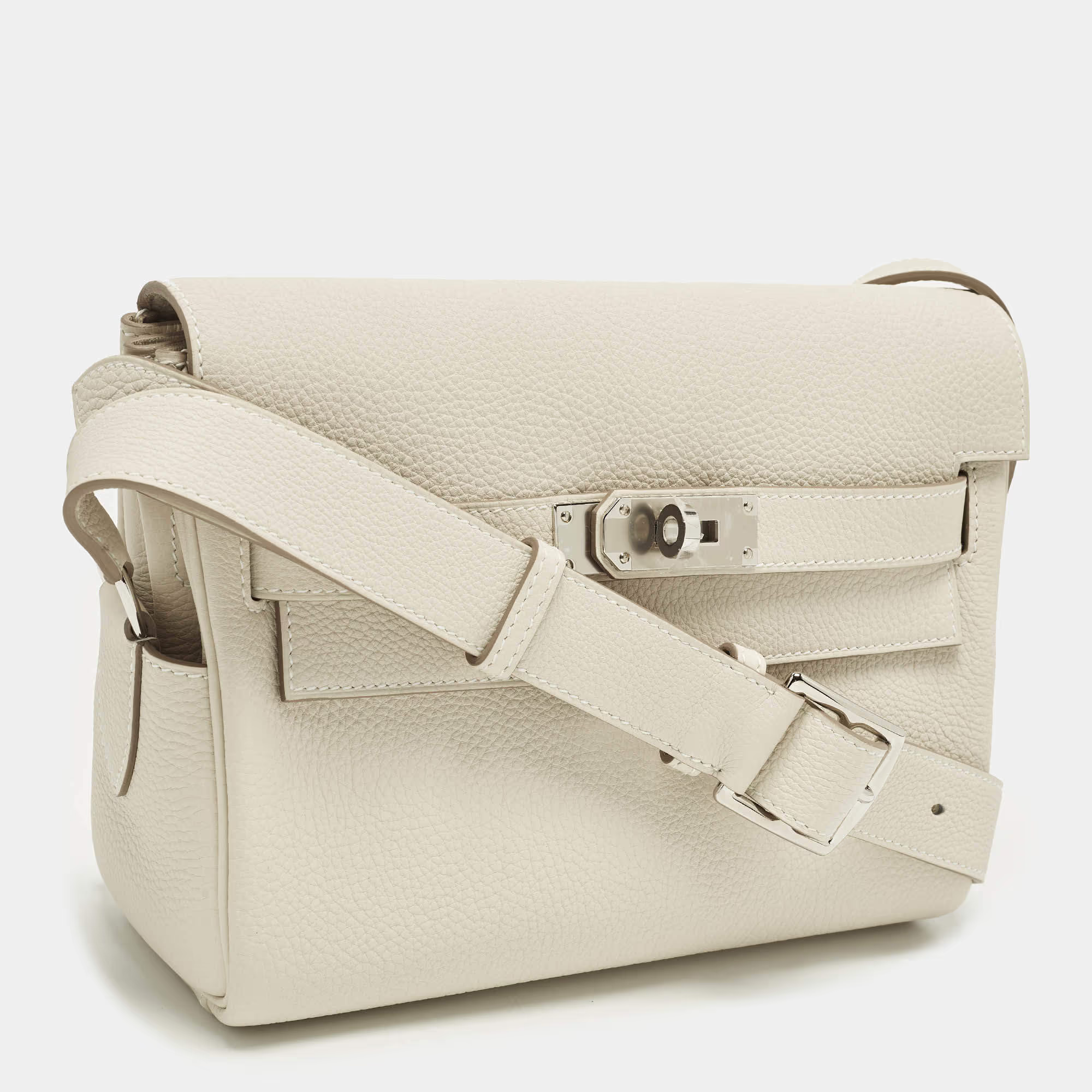
Hermes Kelly PM Palladium Finish Craie Togo Leather Messenger Bag - Updated data shows continued upward pressure, with mini and exotic leathers commanding the highest markups.
Real-World Proof: Vietnam’s $535,000 Government Auction (May 22, 2026)
On May 22, 2026, two Hermès Birkin bags confiscated from jailed Vietnamese businesswoman Truong My Lan — convicted of a $44bn banking fraud — sold for a combined $535,000 at the Ho Chi Minh City Asset Auction Service Center. Both bags found new owners in just 30 minutes. The star lot, a rhinestone-embellished Birkin 25, fetched $440,144 — nearly seven times its starting bid. A Birkin 30 sold alongside it for $94,858.
To put that in perspective: a Birkin 25 retails for around $12,700 today. The same bag, in a rare configuration, just sold on the resale market for 35 times that price. No waitlist, no pre-spend — just pure demand doing the talking. As luxury specialist Nicholas Parnell put it, Birkins are “like works of art,” and this auction made that case better than any boutique ever could.
Rarity & Range
Unlike retail’s limited choices, resale is a treasure trove: discontinued leathers, vintage Kellys, rare colorways. Instant gratification, yes—but also access to heritage pieces that boutiques no longer carry.
On platforms like The Luxury Closet, in-demand pieces can fetch 1.5–2× current boutique prices due to their scarcity, instant availability, and unique features (rare hardware, discontinued colors, or sought-after sizes).
Retail vs. Resale Price Comparison (2026 Update)
Here’s a snapshot of current boutique vs. resale prices across platforms.
| Bag Model | Retail Prices 2023(USD) | Retail Prices 2024(USD) | Retail Prices 2025(USD) | The Luxury Closet (2024-2025, Giftable/Pristine) | Fashionphile (Recent Listings, Excellent/ giftable | The RealReal (Recent Listings, Pristine/ Excellent) | Auctions (Christie’s/Sotheby’s, 2024-2025) |
| Birkin 25 Togo | $10,400 | $11,400 | $12,700 | Black GHW: $31,995
Craie GHW: $30,295–$30,895 |
Black GHW: $30,295–$31,995
Craie GHW: $29,900–$31,500 |
2025 Togo: $31,000 (Condition NS) | Etain GHW (2024): $28,000–$32,000 est. |
| Birkin 30 Togo | $11,600 | $12,500 | $13,900 | Gris Neve GHW (2024): $25,885 Vert Yucca PHW (2025): $24,145 |
Craie GHW: $25,600–$27,995
Crevette (Wear): $13,385 (shows wear) |
Etoupe GHW: $23,900–$25,000 | Nata GHW (2024): $26,000 |
| Kelly 25 Epsom Sellier | $11,300 | $11,800 | $12,600 | Etoupe GHW: $28,750–$29,995 | Etoupe GHW: $27,000–$28,500 | Blue Epsom: $26,000–$27,500
Vert Fizz PHW (2024): $26,000 |
Vert Fizz PHW (2024): $26,000 |
| Kelly Mini Epsom | $8,700 | $9,400 | $10,000 | Gold GHW (2025): $34,970
Black GHW (2024): $33,500 |
Black GHW (2024): $29,500
Gold GHW (2024): $29,200 |
Black GHW (2024): $28,000 | Black GHW (2024): $28,000 |
| Constance, 18 Epsom | $8,750 | $8,950 | $9,500 | Vert Criquet GHW (2025): $11,945
Gold GHW (2024): $13,995 |
Nata GHW (2024): $14,000
Etoupe GHW (2024): $13,000 |
Gris Meyer PHW (2024): $13,000 | Gris Meyer PHW (2024): $13,000 |
| Lindy Mini Clemence | $6,650 | $7,300 | $7,800 | Bleu Pale GHW (2024): $12,280
New White GHW (2024): $10,075 |
Trench GHW (2024): $9,800
Black GHW (2024): $9,950 |
Lime PHW (2024): $10,500 | Lime PHW (2024): $10,500 |
| Evelyne TPM 16 Clemence | $2,050 | $2,200 | $2,350 | New White PHW (2024): $4,405
Craie GHW (2024): $4,615 |
Vermillion PHW (2024): $3,900
Gold PHW (2024): $3,700 |
Nata GHW (2024): $3,500 | Nata GHW (2024): $3,500 |
Key Notes from the Table
- The Luxury Closet tends to list on the upper end for “giftable/pristine” or rare colorways, especially just-arrived pieces.
- Fashionphile has a wider range, with some lower-priced listings reflecting more wear, and top prices for new or rare finds.
- The RealReal may price slightly less aggressively or take valuation conditions more seriously.
- Prices vary by color, hardware, and condition.
Sources: www.sothebys.com, www.purseblog.com, www.madisonavenuecouture.com, www.therealreal.com, www.fashionphile.com, and www.christies.com.
Retail price data sourced August 2025. Resale listings and auction data updated May 2026.
Pros and Cons: Retail vs. Resale
Value Retention
- Retail: Brand-new bags maximize long-term value, especially for classics. Pre-spend inflates costs.
- Resale: Pre-loved bags retain strong value, with rare models appreciating. Condition impacts resale potential.
Authenticity
- Retail: Guaranteed authenticity, pristine condition, and packaging.
- Resale: Trusted platforms like The Luxury Closet have rigorous authentication that mitigates risks, offering peace of mind to both sellers and buyers.
Immediacy
- Retail: Waitlists and pre-spend can delay acquisition by years.
- Resale: Offers instant access to a vast selection and delivers bags in days.
Other Considerations
- Retail Pros: Prestige, brand-new condition, relationship-building for future offers.
- Retail Cons: High barriers (pre-spend, scarcity), limited selection, time-intensive.
- Resale Pros: Immediate availability, unique finds, sustainability, and no pre-spend.
- Resale Cons: Higher prices, potential condition issues, authenticity risks with lesser platforms.
When Buying From a Hermes store is Fine:
Choose Retail If:
-
- You crave the boutique experience and a brand-new bag.
- You’re building a long-term Hermès relationship, willing to navigate pre-spend.
- You prioritize classics at retail prices (despite 2025 increases).
When Buying a Preloved Hermès Bag Makes More Sense Than Buying New
- Choose a Second-hand Hermes bag when:
- You want immediate access to your dream Birkin or Kelly without pre-spend.
- You’re seeking rare, vintage, or limited-edition models.
- You value sustainability and trust The Luxury Closet’s authentication process.
- You’re investing in a bag with strong resale potential.
Enjoy the Thrill of Instant Access to a Hermes Bag @ The Luxury Closet

The choice between retail and resale is ultimately about lifestyle: patience and tradition, or speed and access. Both paths lead to a Hermès bag — but if your story calls for immediacy, rare editions, or the kind of colorway that never waits, explore The Luxury Closet’s curated Hermès collection at theluxurycloset.com — authenticated, sustainable, and ready to own.
FAQs: When In Doubt, Ask It Out!
1. Why are Hermès bags so hard to buy at retail?
Hermès keeps Birkin and Kelly bags scarce by limiting production and offering them only to loyal clients with strong purchase histories. Buyers often must spend on accessories, jewelry, or ready-to-wear before being offered a quota bag, making access to retail highly exclusive and competitive.
2. What is Hermès’ pre-spend, and how much is it in 2025?
Pre-spend is the unofficial requirement to buy Hermès products beyond handbags—such as scarves, jewelry, or home goods—to earn loyalty before being offered a Birkin or Kelly. In 2025, pre-spend can range from one to five times the bag’s price, meaning $12,000–$60,000 for a $12,000 bag.
3. How much is a Birkin bag retail vs resale in 2025?
In 2025, a Birkin 25 in Togo leather retails for about $12,700. On the resale market, the same model can sell for $30,000–$32,000 depending on condition, color, and hardware. Rare editions command far more — a rhinestone-embellished Birkin 25 sold at a Vietnamese government auction in May 2026 for $440,144, while Jane Birkin’s original bag fetched €8.6m ($10.1m) at Sotheby’s Paris in July 2025, setting the record for the most valuable handbag ever sold at auction.
4. Is it smarter to buy a Birkin or a Kelly retail or resale?
Retail is cheaper but requires patience, pre-spend, and boutique loyalty. Resale is more expensive but offers instant access, rare editions, and investment potential. Buyers who value immediacy and unique finds often choose resale, while long-term collectors may prefer retail for prestige and relationship-building.
5. Do Hermès bags hold their value?
Yes. Hermès bags consistently retain or appreciate in value due to craftsmanship, scarcity, and global demand. Models like the Birkin and Kelly often outperform traditional investments, with resale prices climbing 25% to 400% above retail depending on rarity, leather, and condition.
6. Which platforms are safe to buy Hermès bags from?
Trusted Hermès resale platforms include The Luxury Closet, The RealReal, Vestiaire Collective, Sotheby’s, and Christie’s. Specialist boutiques like Madison Avenue Couture also focus on authentic, high-value handbags. These sellers provide authentication, condition reports, and guarantees, protecting buyers from counterfeits in the secondary market.
7. What’s the difference between retail and resale Hermès bags?
Retail Hermès bags are brand-new, come with complete packaging, and are priced lower; however, access requires pre-purchase and long waits. Resale bags cost more but offer immediate availability, wider selection, rare models, and investment upside. Both markets feed into each other, reinforcing Hermès’ exclusivity.
8. Which countries offer the best prices for Hermès bags?
Hermès bag prices are generally lower in Europe, especially France, because retail costs exclude import duties, and VAT refunds are available for tourists. Paris remains the most affordable place to buy a Birkin or Kelly. In contrast, U.S., Middle East, and Asia boutiques often price higher due to taxes and demand.
Quick Read:
Hermès Color Codes & Palette Guide