The Origins of the Chloé Paddington Bag
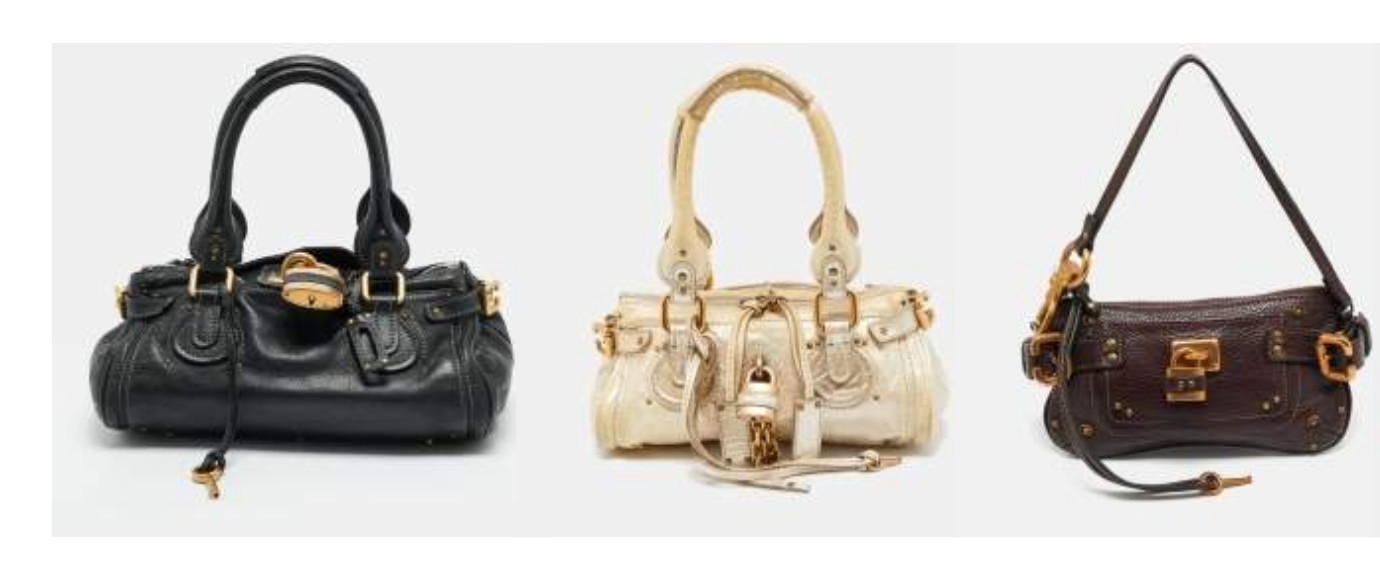
Long before “It-bag” became a tired shorthand, the Chloé Paddington quietly rewrote what desire looked like in the mid-2000s. Introduced in 2005 under the creative direction of Phoebe Philo, the Paddington arrived at a moment when fashion was shifting away from polished minimalism toward something more eloquent and instinctively idiosyncratic. It wasn’t just an accessory; it was a cultural signal.
Seen on the arms of Hollywood trend-setters and countless street-style fixtures of the era, the Paddington became shorthand for a very specific kind of cool: undone, confident, slightly rebellious, and fashionable. It belonged to the world of low-rise denim, oversized sunglasses, and the kind of off-duty styling that felt spontaneous yet deeply considered.
Nearly two decades later, that same energy seems to be making a comeback, not as nostalgia for nostalgia’s sake, but as part of a wider return to be evocative and character-driven.
Who Designed the Chloé Paddington and Why It Mattered
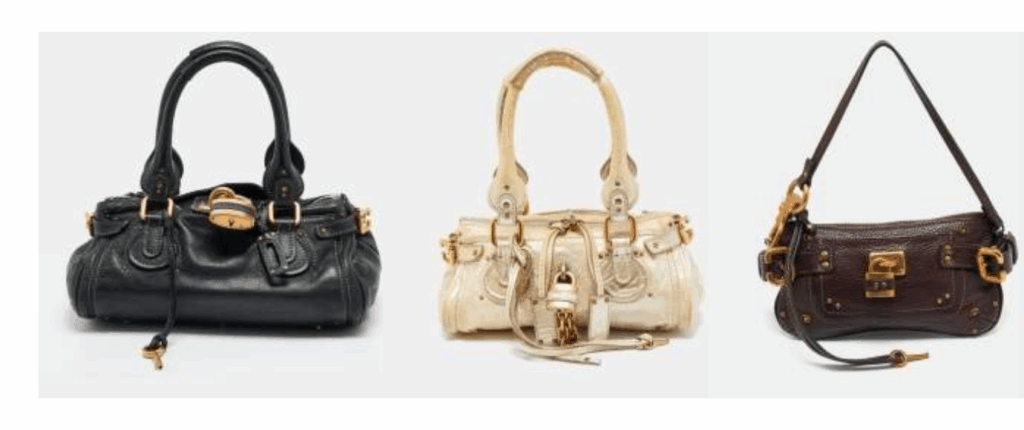
In an era dominated by overt branding, the Paddington arrived with a quieter kind of authority. Its impact came from proportion and detail rather than logos, anchored by a bold padlock that quickly became one of the most recognisable handbag signatures of the 2000s. The design felt considered and stirring, giving the bag a presence that translated instantly on and off the runway.
The lock was more than an ornament. It was bold, almost ironic in scale, and gave the bag a sense of attitude. Heavy, graphic, and impossible to miss, it transformed the Paddington into a talking point, a piece people remembered even years later. The lock, paired with generous handles and rounded proportions, gave the bag a slightly utilitarian undertone that balanced its femininity.
Phoebe Philo’s vision for Chloé during this period leaned into authenticity and ease. The Paddington embodied that philosophy. It looked lived-in even when new, encouraging wear rather than sacrosanct. In many ways, it anticipated today’s preference for bags that feel personal rather than pristine.
The Y2K Factor and Emotional Nostalgia
Part of the Paddington’s renewed relevance lies in the cultural reappraisal of the early 2000s. Y2K fashion has moved far beyond novelty and into a more nuanced revival, one that cherry-picks emotional touchstones from fashion history rather than recreating looks wholesale. The Chloé Paddington sits comfortably within this shift.
For millennials, it represents aspiration — the bag you saw in magazines, on paparazzi shots, or tucked under the arm of someone who seemed to have it all figured out. For Gen Z, it offers discovery: a piece with history, character, and visual weight that stands apart from minimalism.
There’s also a certain honesty to its form. The Paddington doesn’t aim to disappear into an outfit. It anchors it. That sense of presence resonates today, especially as fashion cycles move toward individuality over uniformity.
Its rise coincided with the era’s growing obsession with celebrity style. The bag appeared frequently on figures such as Jennifer Lopez and Kate Moss, becoming a familiar presence in paparazzi imagery and street-style coverage. These sightings helped anchor the bag within the visual language of the decade. Yet its popularity extended beyond celebrity endorsement. The bag resonated because it aligned with how people wanted to dress at the time: expressive, slightly unfinished, and unique.
As fashion continues to revisit the early 2000s, attention has shifted toward pieces that defined the period rather than simply decorated it. The renewed interest in Y2K fashion has brought vintage bags back into focus, particularly those with some cultural memory.
The Chloé Paddington fits naturally into this revival. Its silhouette feels distinctive without appearing dated, and its history gives it credibility in a market increasingly driven by context and storytelling. For younger audiences discovering it for the first time, the bag offers a tangible link to an era they know largely through imagery.
The Return: Reintroduced for a New Chapter
In its latest revival, the Paddington re-enters the conversation under the direction of Chloé’s current creative lead, Chemena Kamali. The silhouette remains familiar, but the proportions feel more considered. The bag is lighter, addressing one of the few critiques of the original. Materials feel more fluid, and the overall construction reflects a contemporary understanding of comfort and function. It’s still recognisably the Paddington, just adapted for the realities of today.
The reissue arrives at a moment when fashion is increasingly reflective, looking backward not out of stagnation but out of appreciation. Kamali’s approach allows it to exist both as an archival icon and a relevant everyday piece.
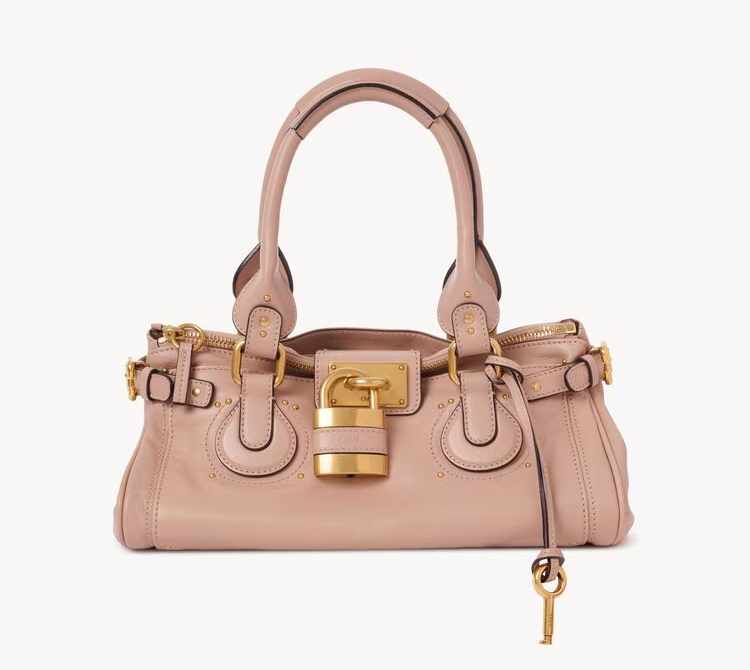
The renewed visibility of the Paddington has been reinforced by its appearance on figures such as Daisy Edgar-Jones, Katie Holmes, and Alexa Chung. Their styling choices place the bag within contemporary wardrobes, showing how it integrates naturally into modern dressing. At the same time, the bag has gained traction across social platforms, where interest in archival fashion and early-2000s references continues to grow.
Owning a vintage Paddington also connects the present to a formative moment in fashion history. It reflects an appreciation for design that endures beyond seasonal cycles. The Chloé Paddington endures because it represents a moment when design, culture, and wearability aligned. Its return highlights how fashion values continuity as much as change. Whether encountered through a contemporary reissue or a well-kept original, the bag remains a reference point for how accessories can carry meaning over time.