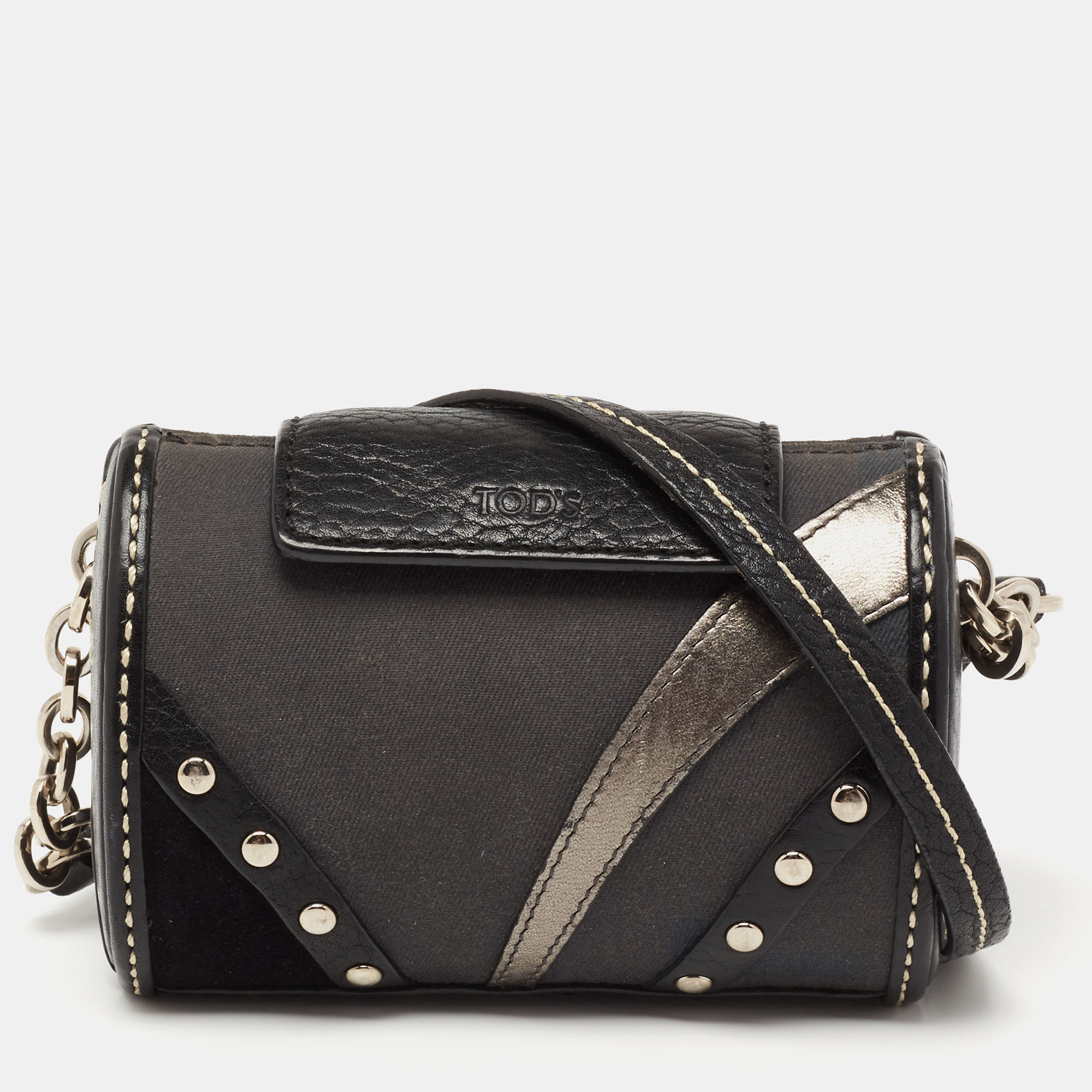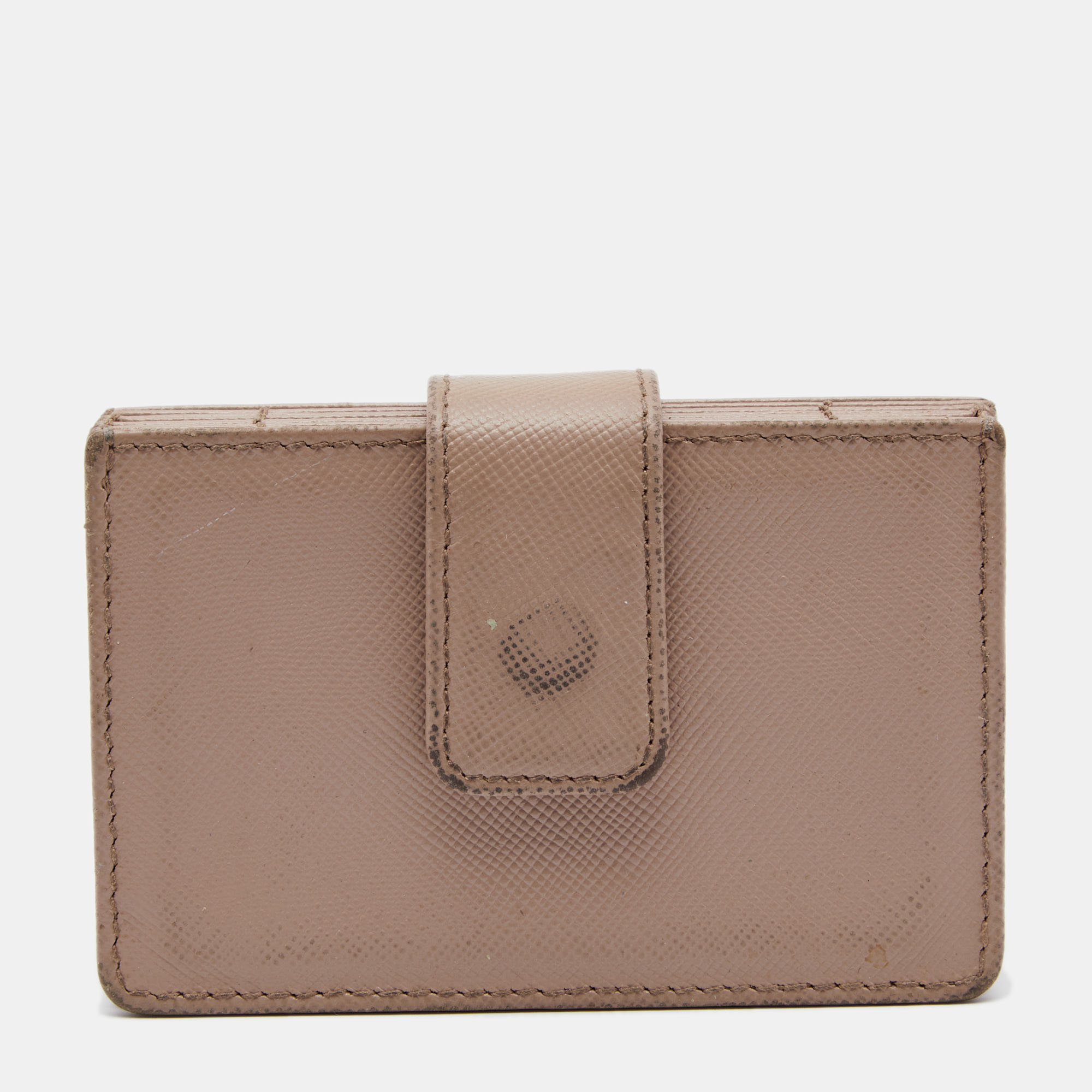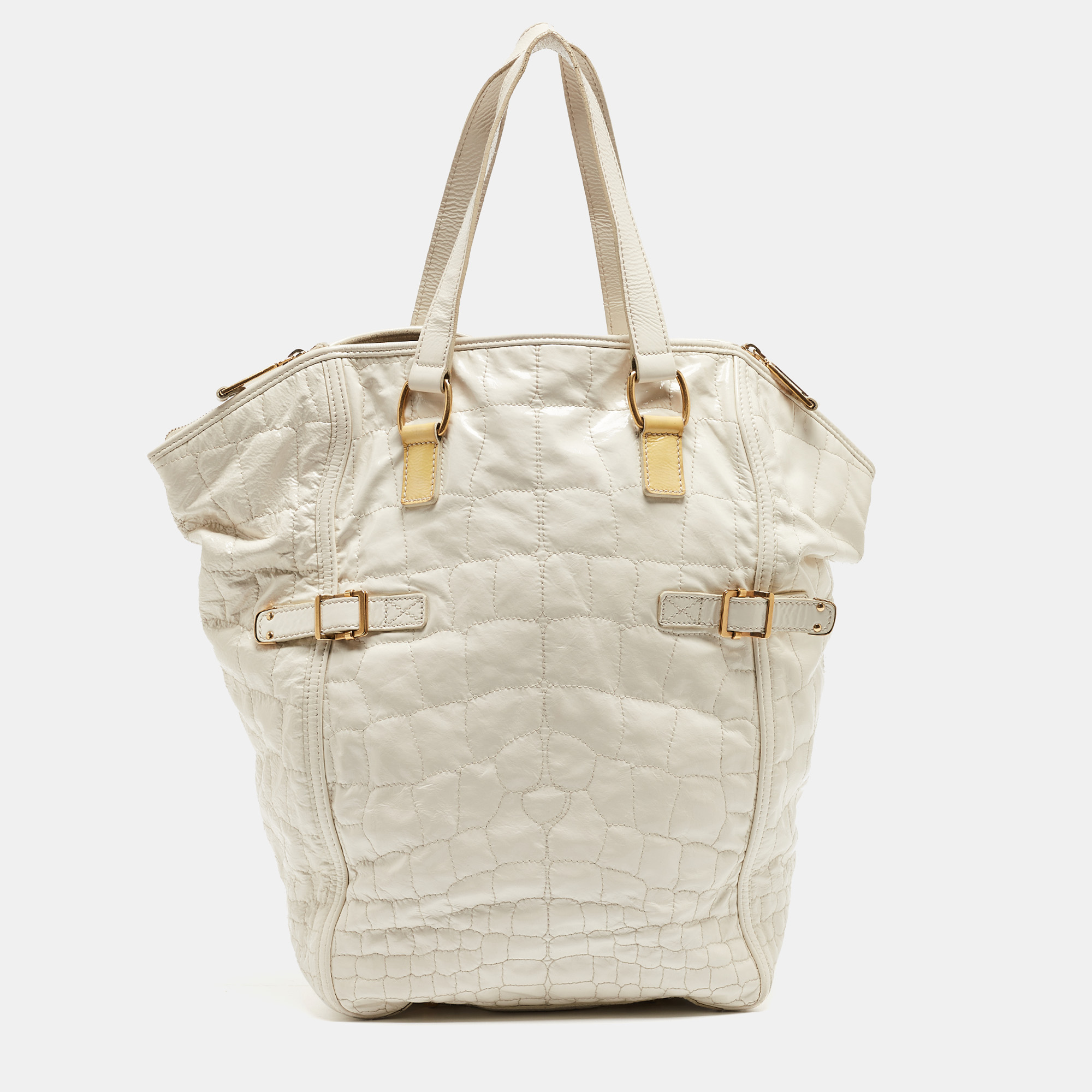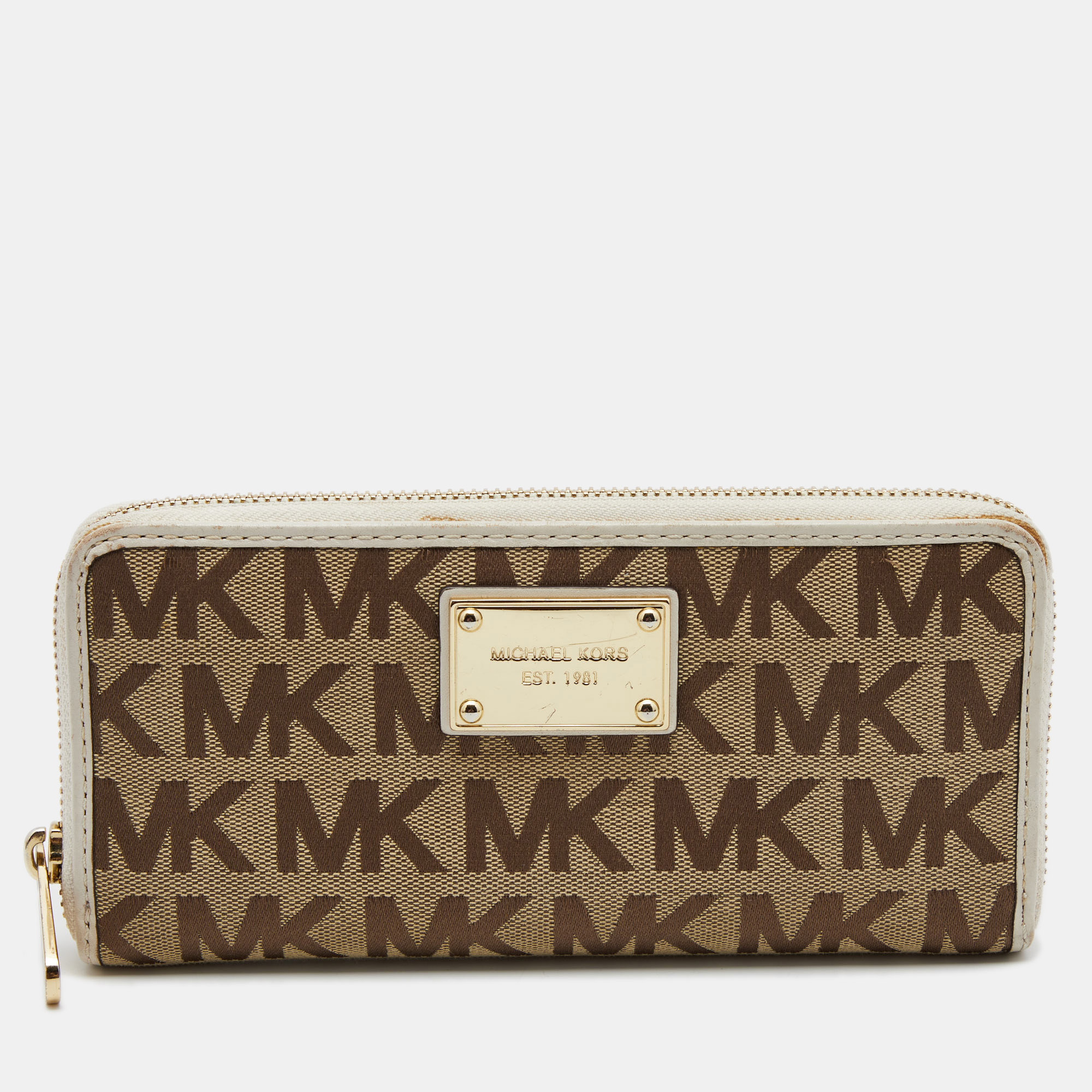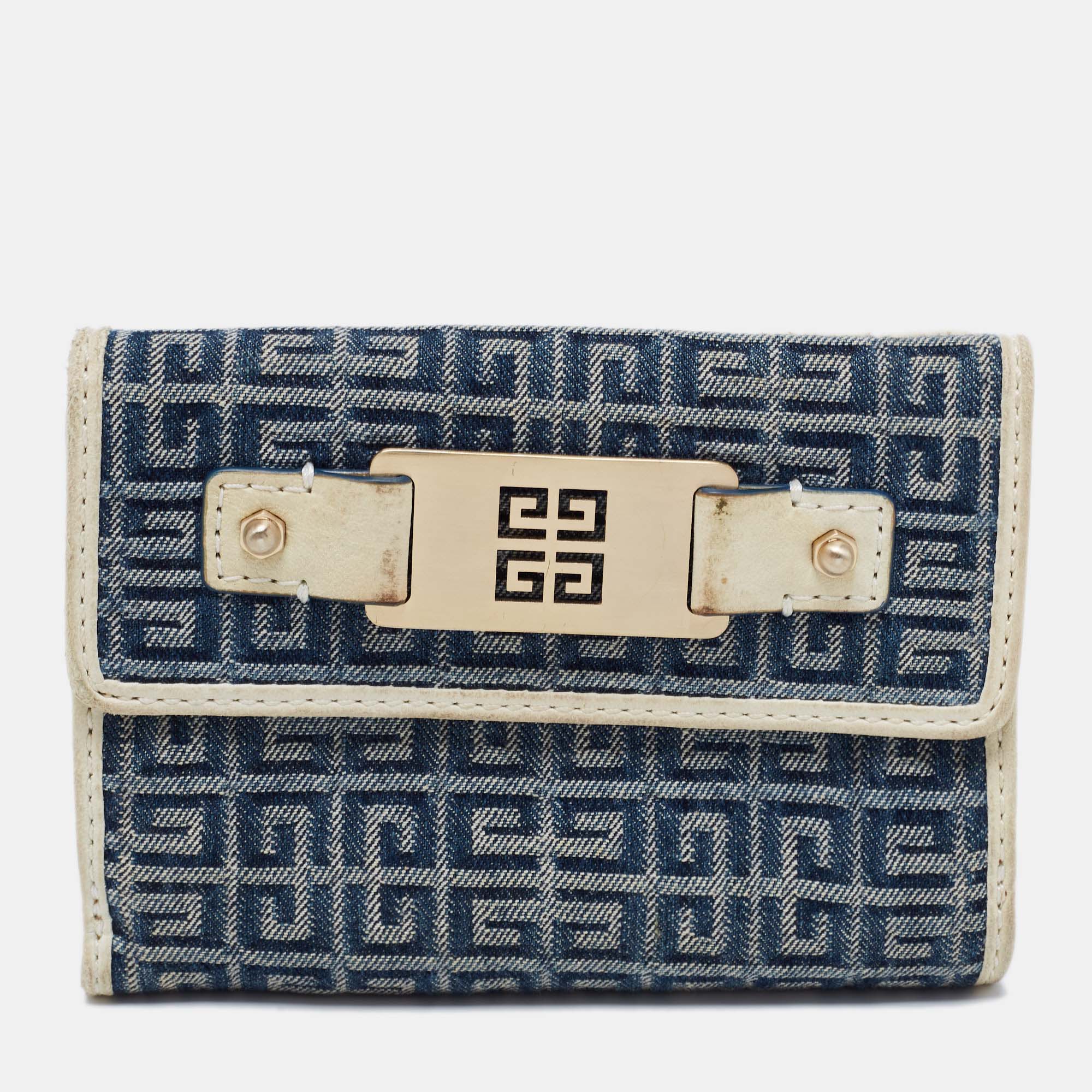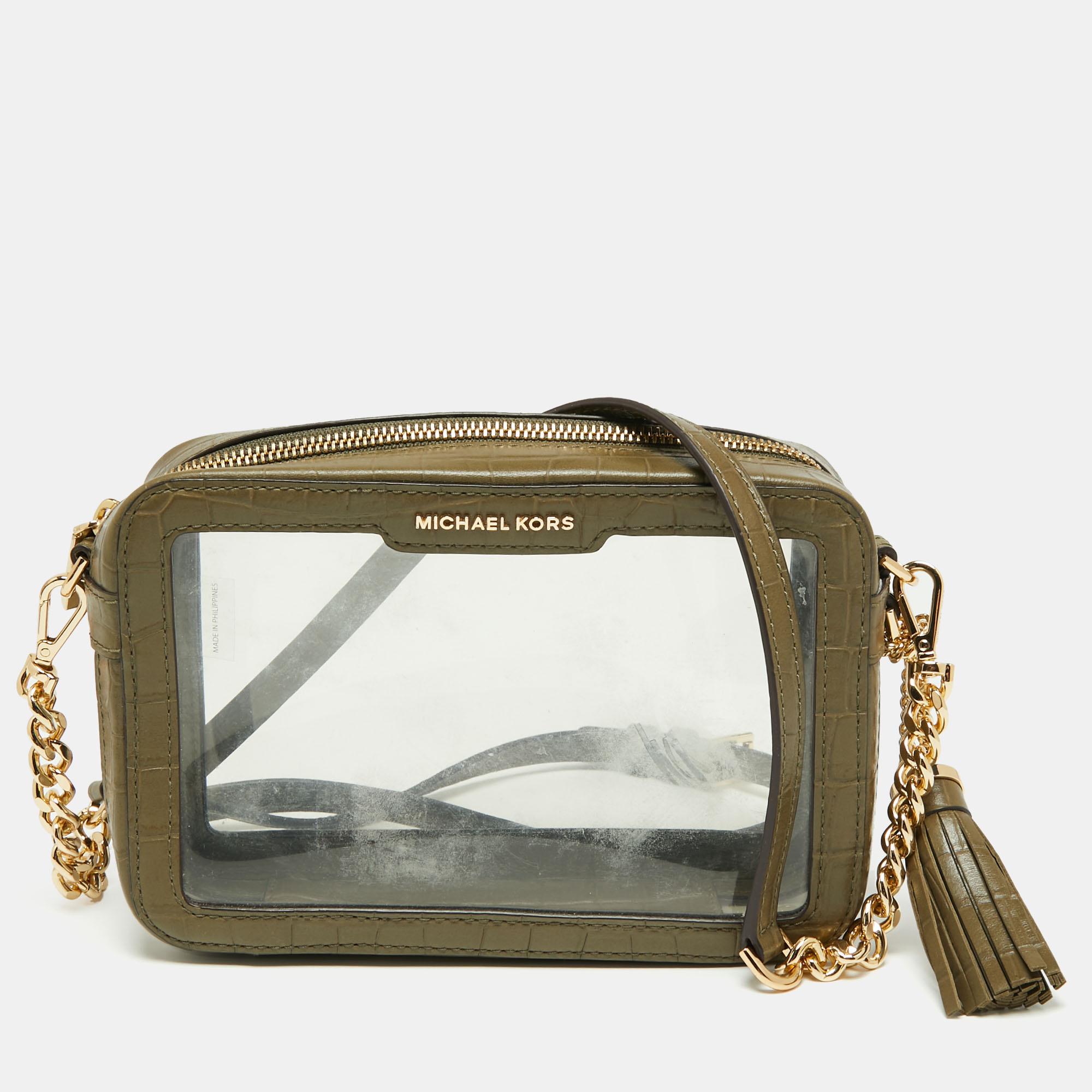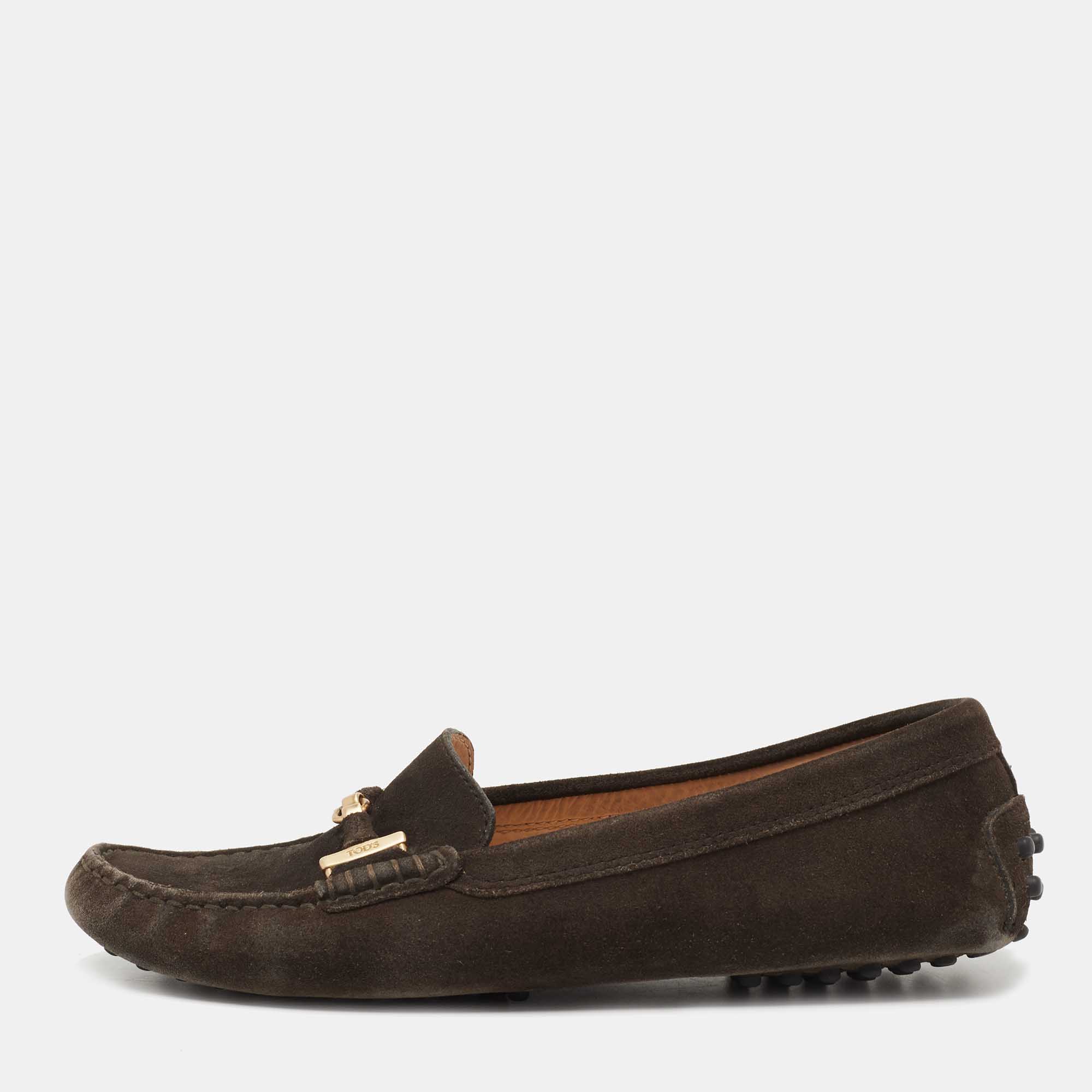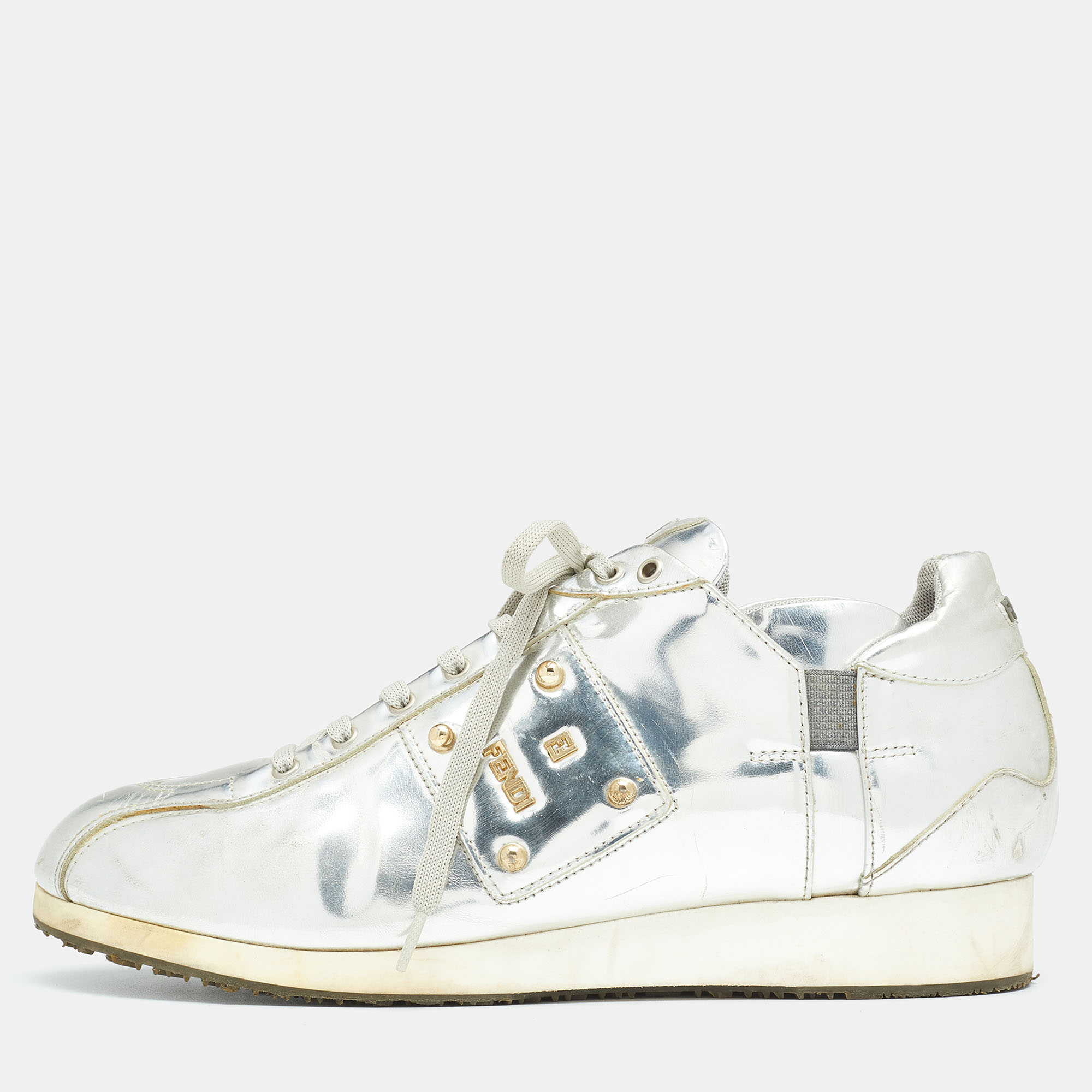
How Pre-Owned Luxury Fashion is Changing the Industry From Within
Luxury is entering a more deliberate phase. The conversation has shifted from accumulation to intention, from rapid turnover to considered choice. Across global fashion capitals, wardrobes are being edited with greater care, and purchasing decisions are shaped by longevity, design value, and relevance over time. At the center of this evolution sits pre-owned luxury fashion, not as an alternative category, but as a natural extension of how people now engage with style.
This shift is not driven by aesthetics alone. It reflects a broader change in consumer behavior, market structure, and cultural values. From collectors and first-time buyers to seasoned fashion insiders, more people are choosing pieces that already carry history, credibility, and design integrity.
A Shift in How Luxury is Valued
For many years, luxury was closely tied to constant newness. Seasonal launches and rapid turnover shaped buying behavior. That model is gradually giving way to a more measured approach, one shaped by awareness, research, and long-term thinking.
Industry data supports this shift. Bain & Company and BCG both highlight that the resale segment is expanding faster than the primary luxury market, driven by consumers who prioritise durability, authenticity, and lasting relevance. Within this landscape, pre-owned luxury fashion has become an established part of how people access and experience high-end design. Rather than chasing releases, buyers are evaluating pieces based on how they perform over time. This change has altered what “value” means in a luxury context.
Why Certain Designs Continue to Hold Relevance
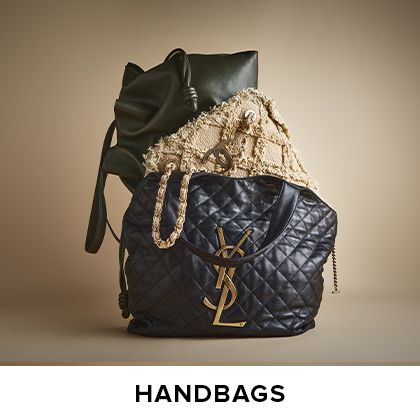
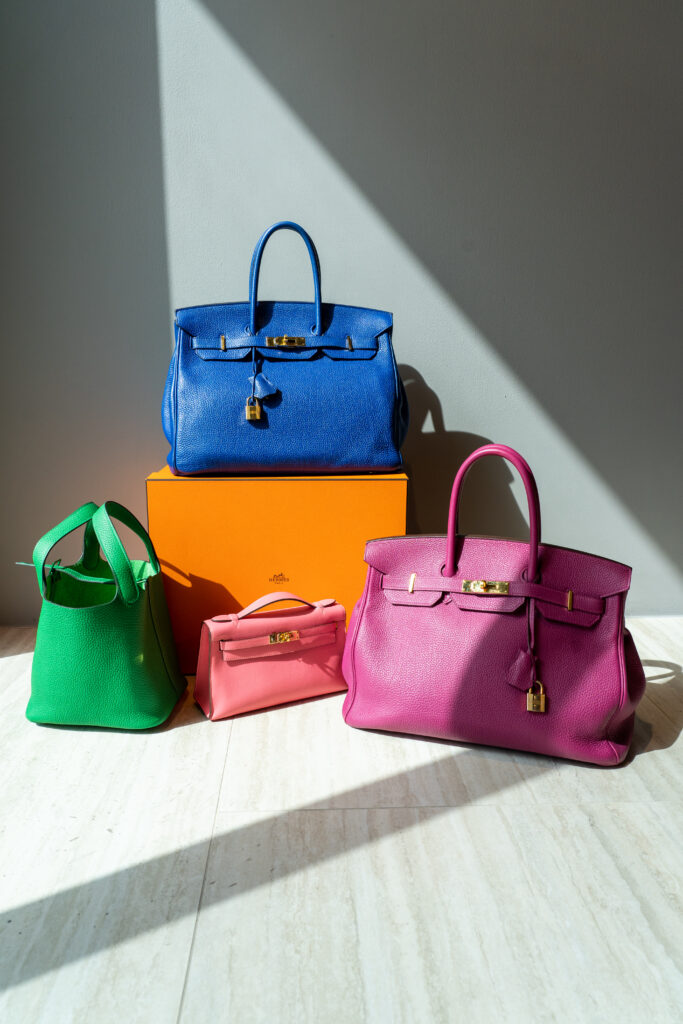
Some silhouettes remain present decade after decade because they were never built around trends. The Chanel 2.55, introduced in 1955, continues to circulate widely. Hermès designs, such as the Birkin and Kelly, retain both cultural and financial value. The Gucci Jackie, Dior Lady Dior, and Louis Vuitton Speedy remain in steady demand because their proportions and purpose have aged with consistency rather than nostalgia.
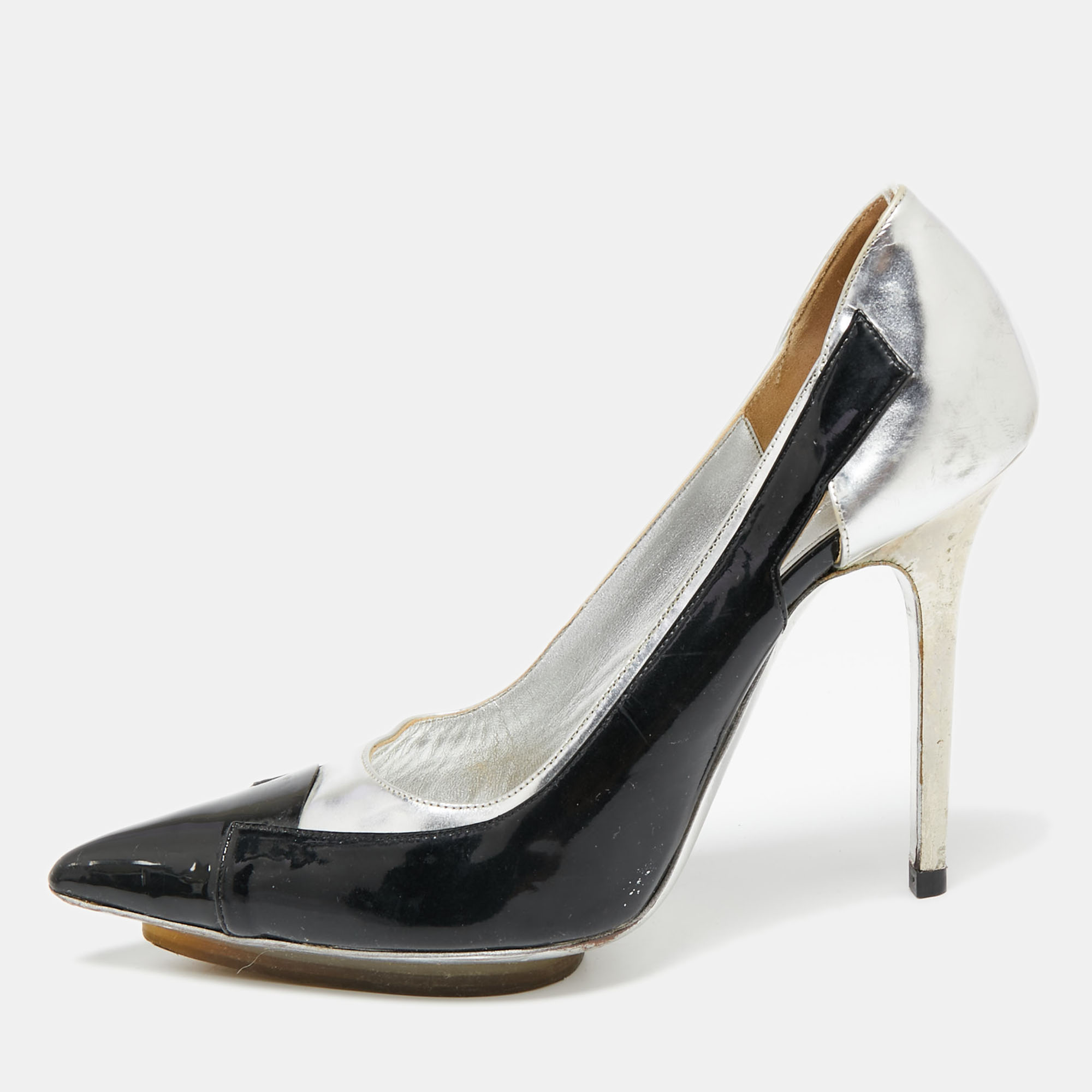
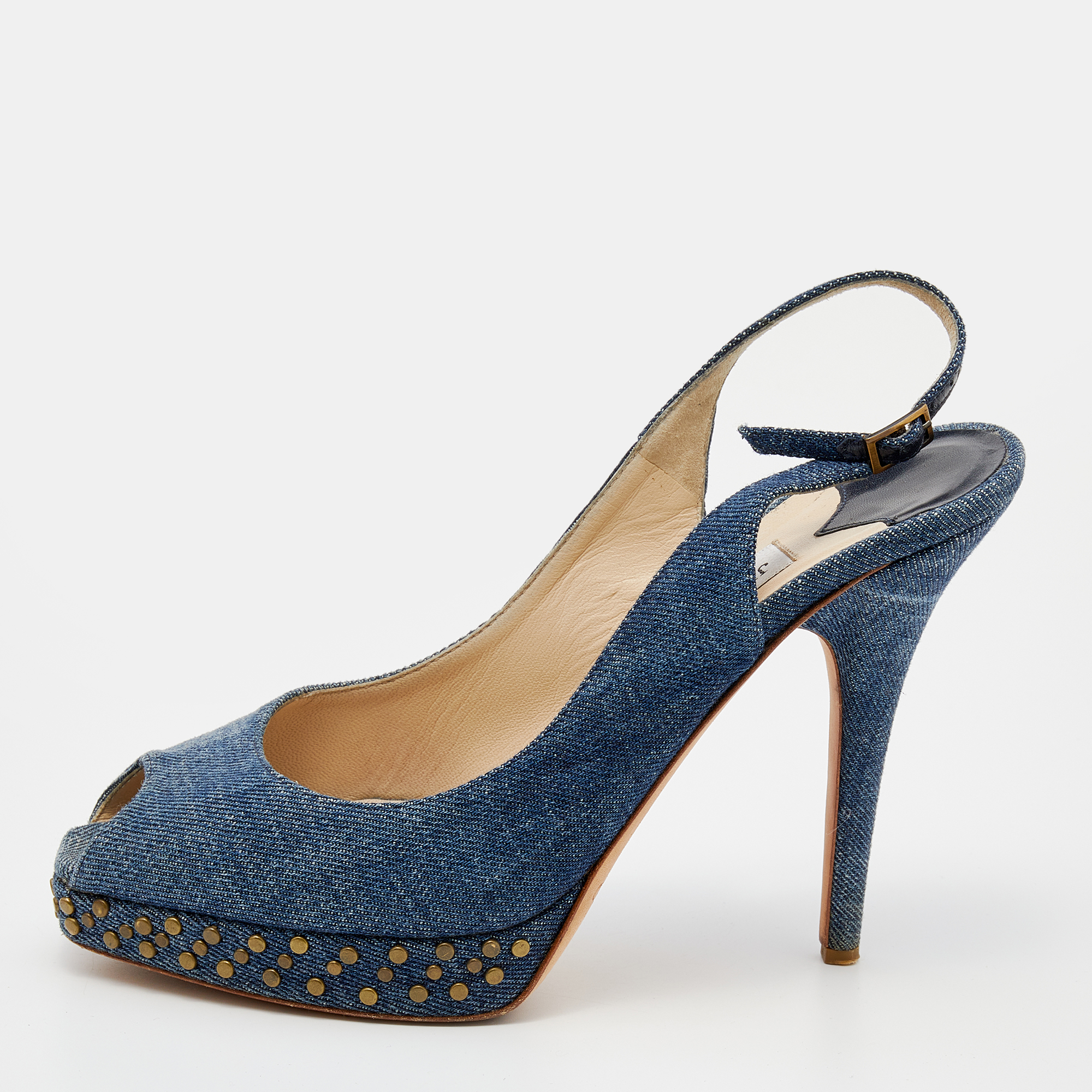
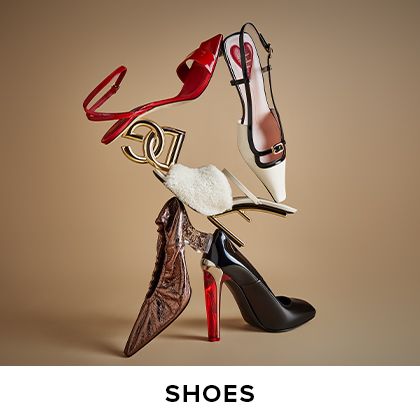
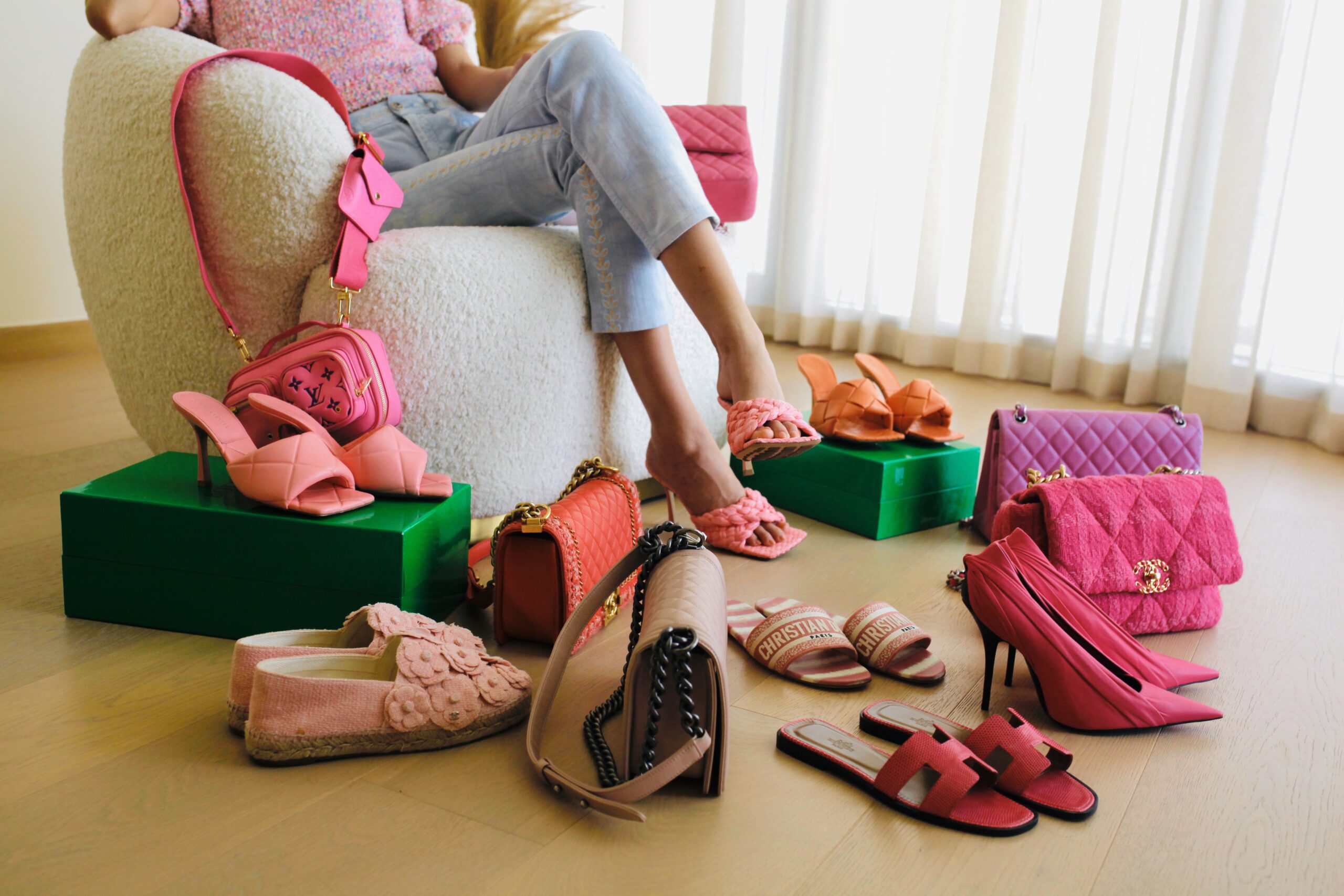
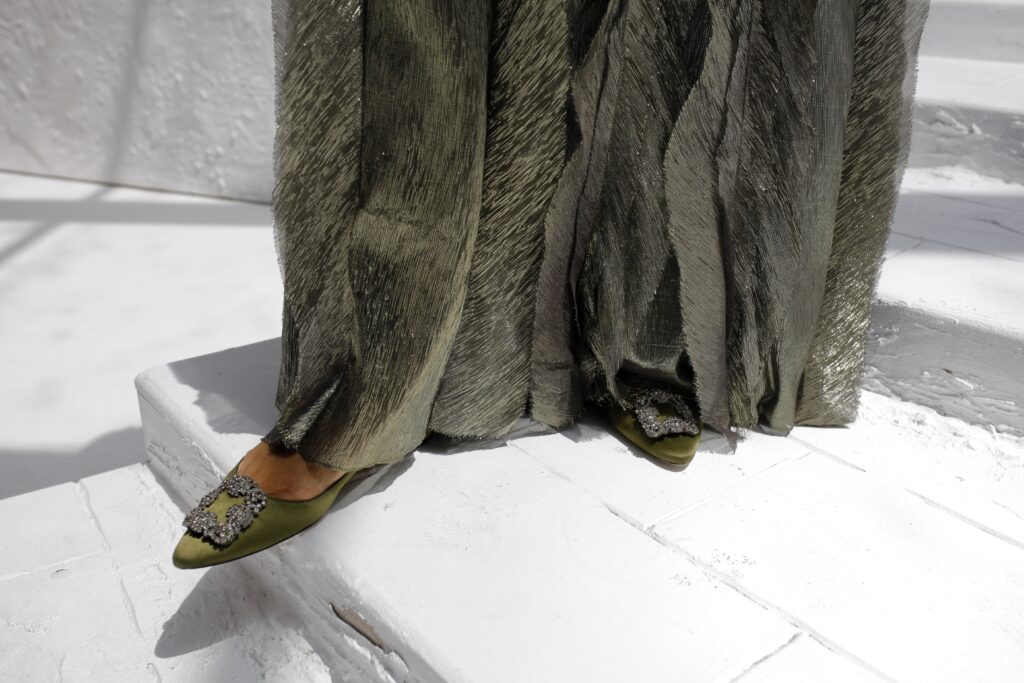
The same pattern appears across other categories. In footwear, certain designs have remained relevant through repeated reinterpretation rather than reinvention. The Manolo Blahnik Hangisi pump continues to appear in wardrobes years after its introduction, valued for its balanced shape and discernible form. Christian Louboutin’s Pigalle, despite changing trends around heel heights, still holds its place as a reference point in formal footwear. Chanel’s two-tone slingbacks, first introduced in the 1950s, continue to sell because their structure and visual logic remain intact. Gucci’s horsebit loafers, originally designed in the 1950s, remain one of the brand’s strongest performers, moving easily between decades without losing context.
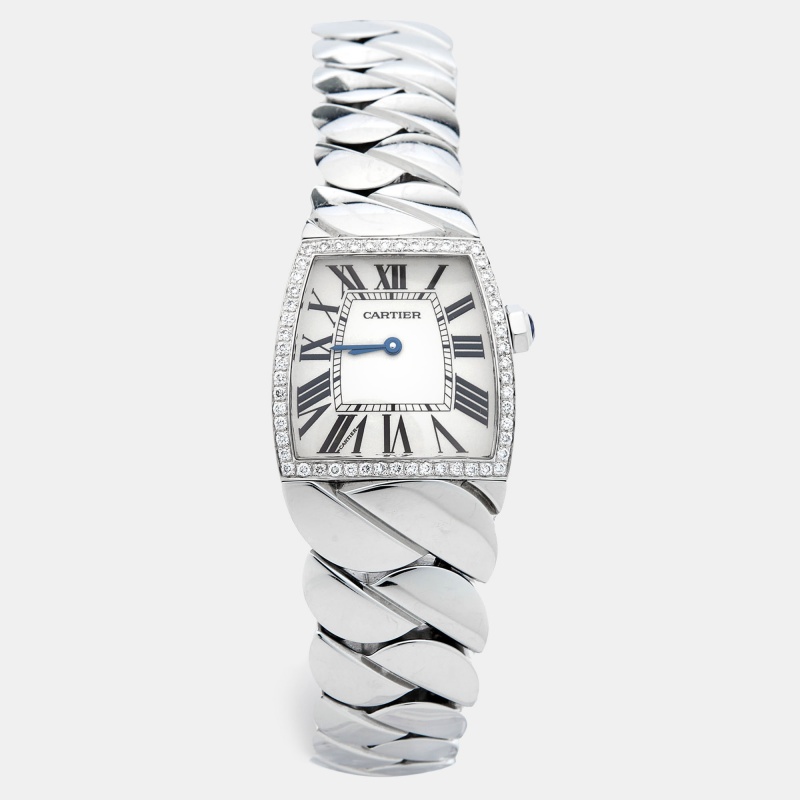
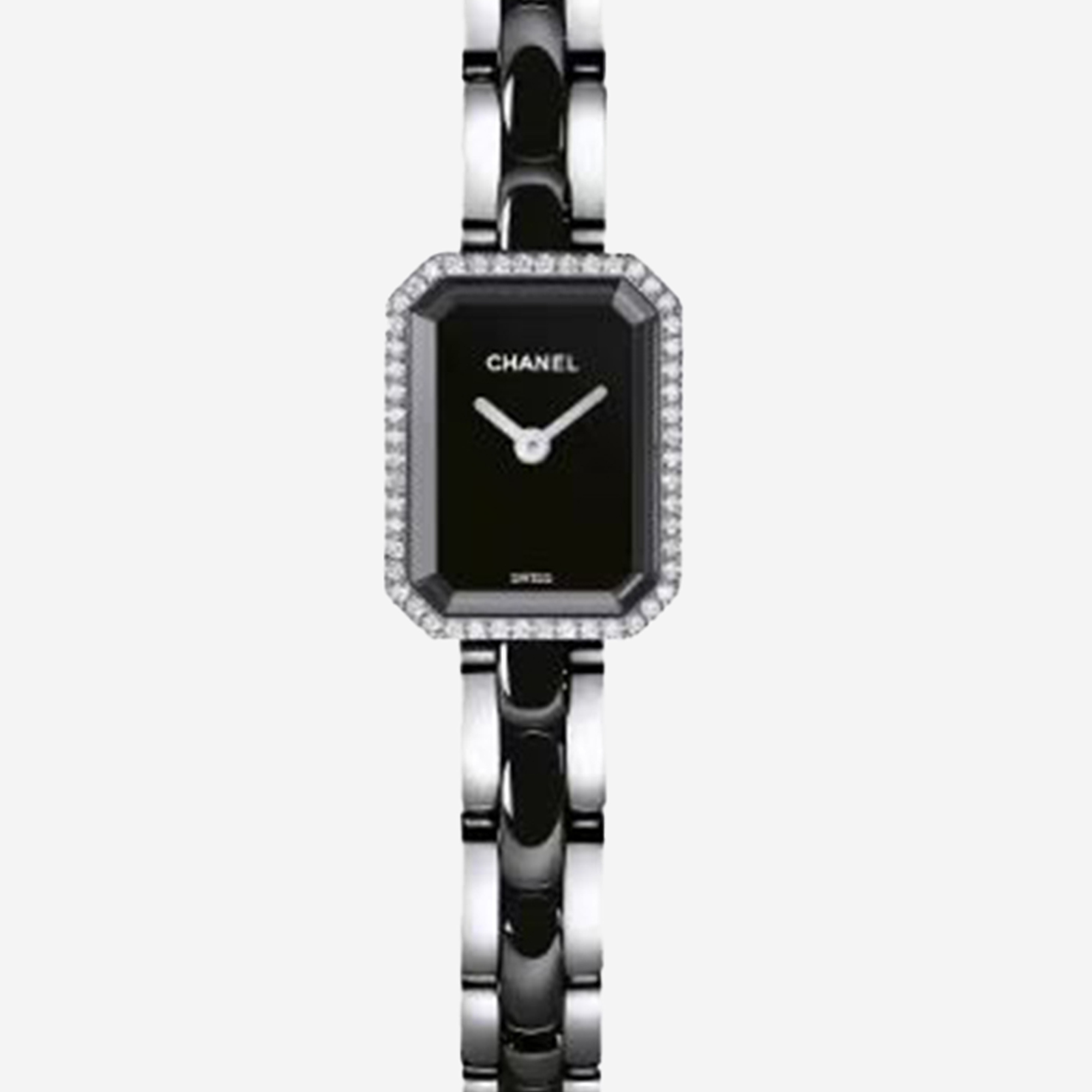
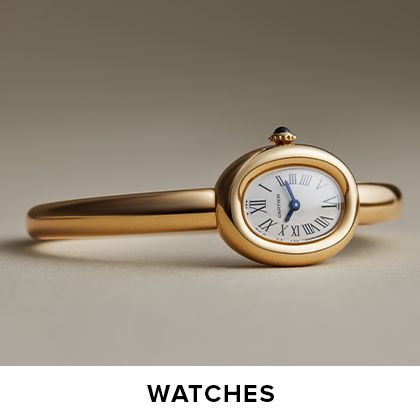
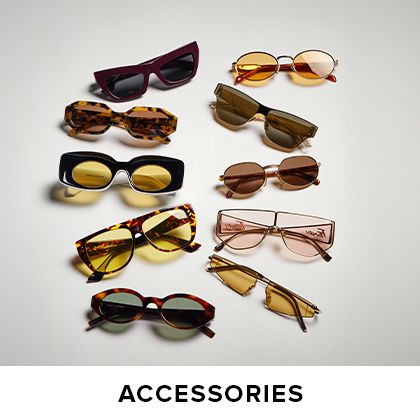
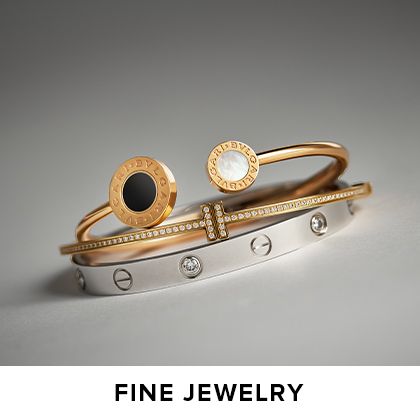
Accessories, fine jewelry, and watches follow a similar trajectory. The Hermès Carré scarf, introduced in 1937, still circulates widely due to its adaptable format and graphic meaning. Bottega Veneta’s intrecciato weave, developed in the 1960s, continues to define the brand across generations, proving that material technique can be as detectable as logo or hardware. From Cartier’s Love bracelet to Van Cleef & Arpels’ Alhambra, both of which still circulate through decades due to their recognizable design language and enduring demand. In watches, models such as the Rolex Submariner or Audemars Piguet Royal Oak remain consistently sought after, valued for engineering, continuity, and long-term collectability. These objects persist because their design foundations were carefully considered from the start.


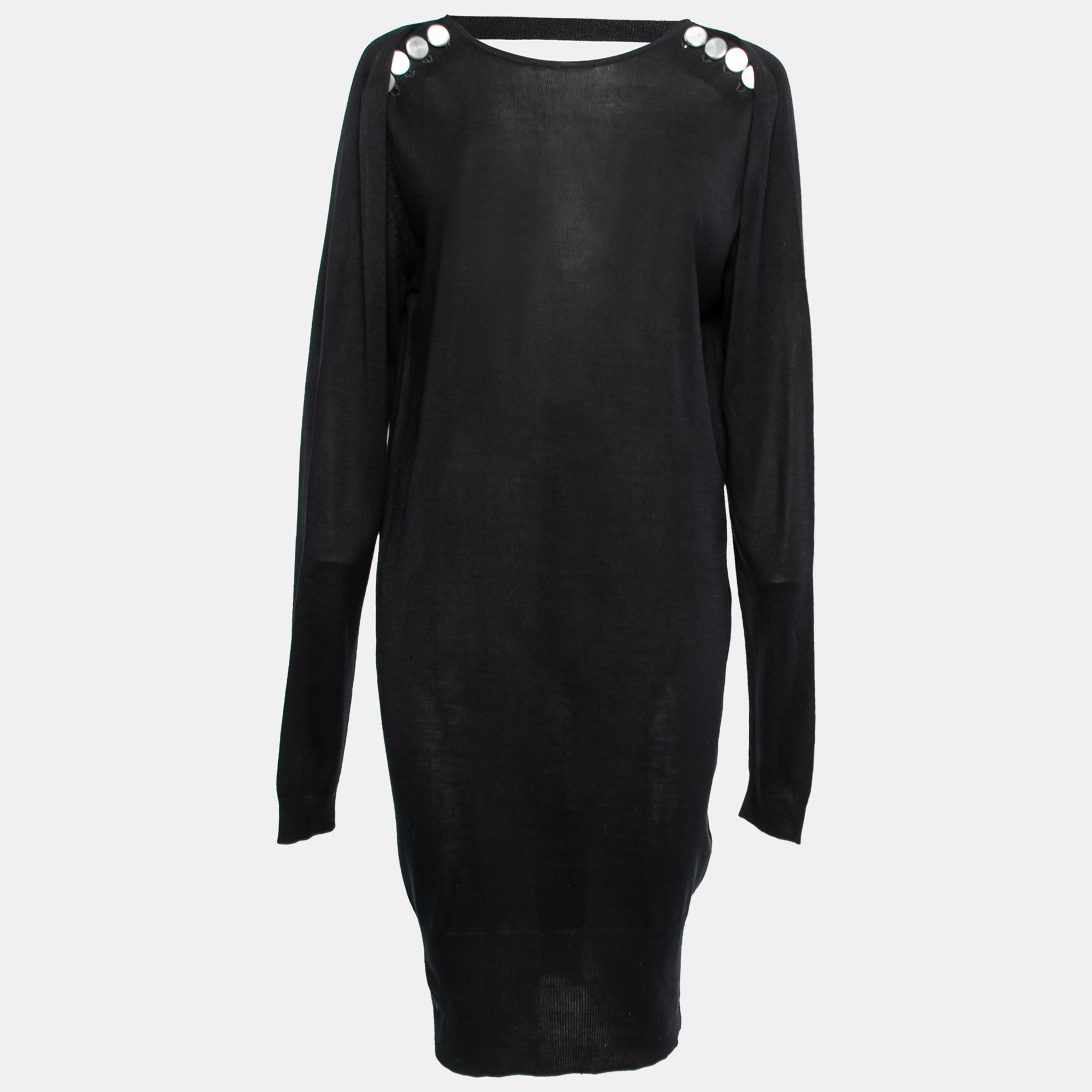
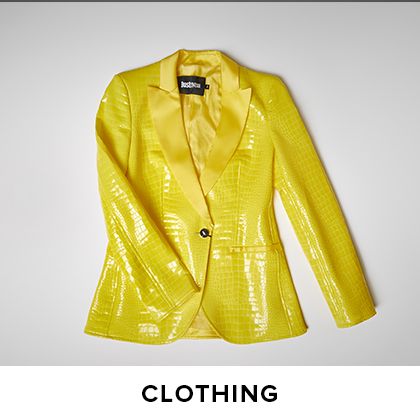
This continuance extends into clothing as well. Tailoring traditions developed by Giorgio Armani reshaped how modern suiting is understood, prioritizing proportion and ease in a way that still informs contemporary collections. Jil Sander’s approach to clean construction and controlled volume continues to influence designers working today. The vocabulary established during Phoebe Philo’s tenure at Céline, grounded in clarity of line and practicality, remains a reference point for how many people think about modern wardrobes. Even earlier examples, such as Yves Saint Laurent’s reinterpretation of classic tailoring or Azzedine Alaïa’s sculptural approach to form, continue to circulate through resale and archive culture with undiminished relevance.
What connects all of these examples is not nostalgia, but the pertinence. These designs were built with a clear understanding of ergonomics. They were not created to answer a single season, but to function over time. Their continued presence in resale spaces reinforces why pre-owned luxury fashion holds such strong appeal today: it offers access to objects whose relevance has already been tested and sustained.
How Modern Wardrobes are Being Shaped
Wardrobes today are becoming more curated. Instead of expansion, there is emphasis on cohesion. A well-constructed coat that works year after year. A bag that transitions from daytime to evening. Shoes that maintain form and comfort over repeated wear. These choices reflect a more deliberate way of dressing.

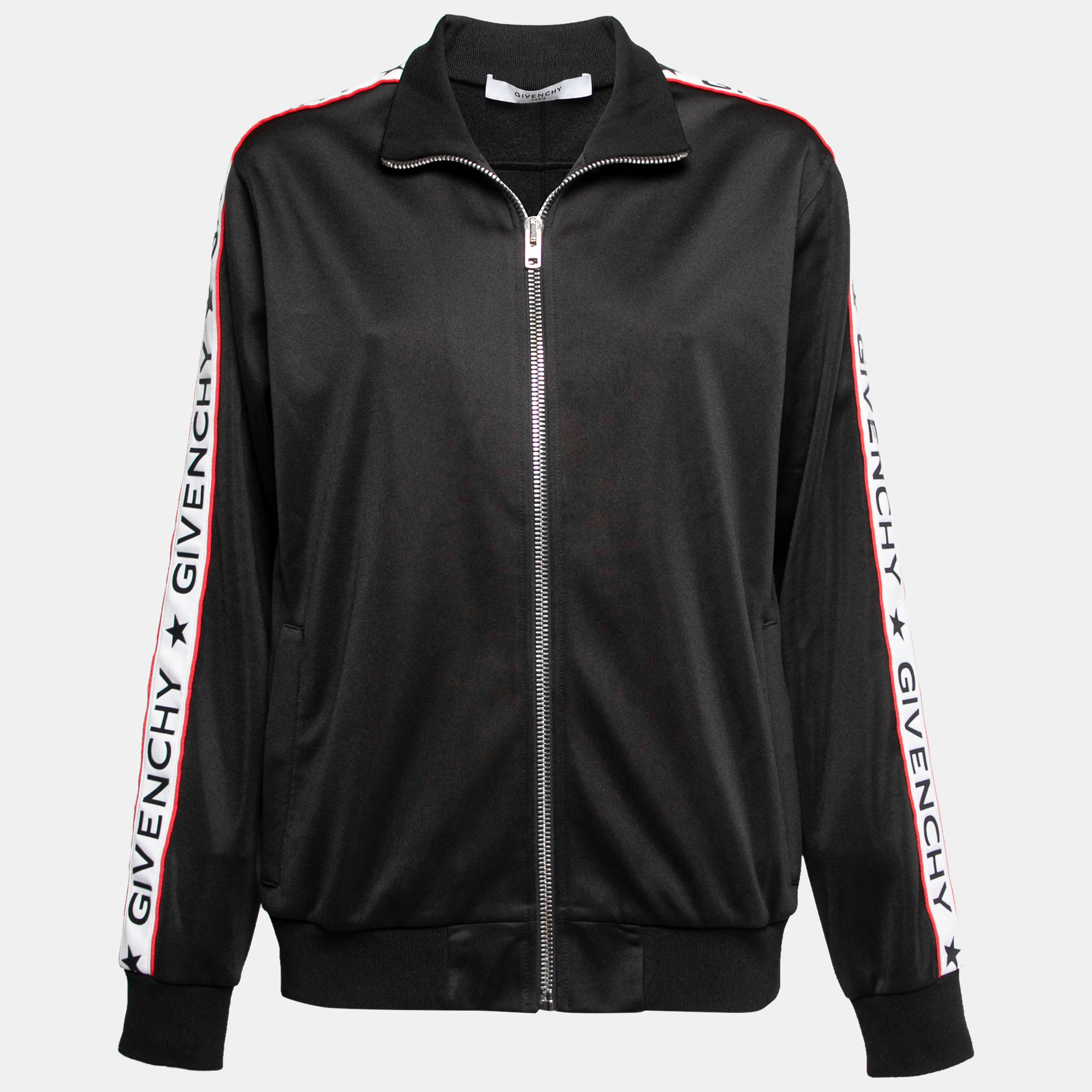
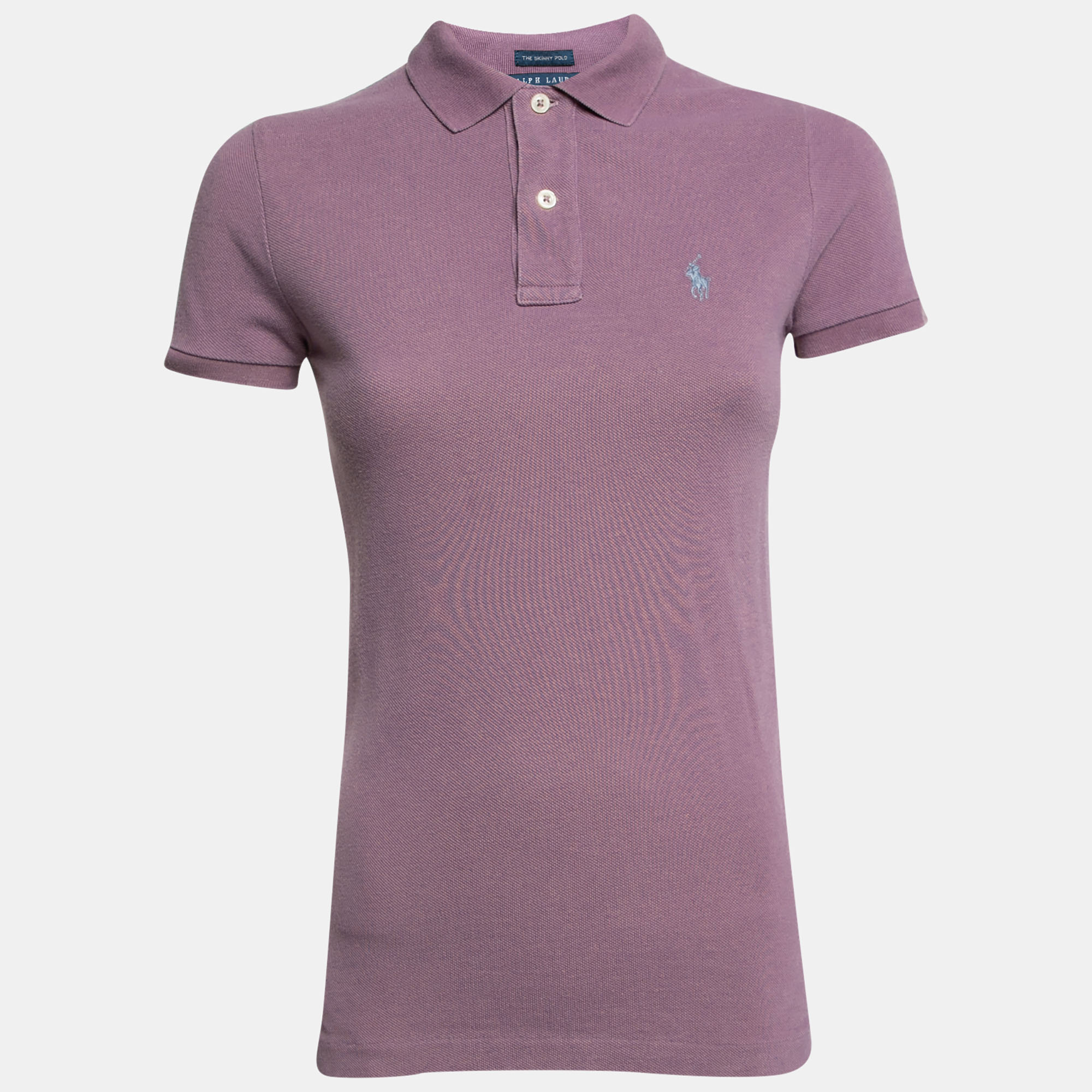
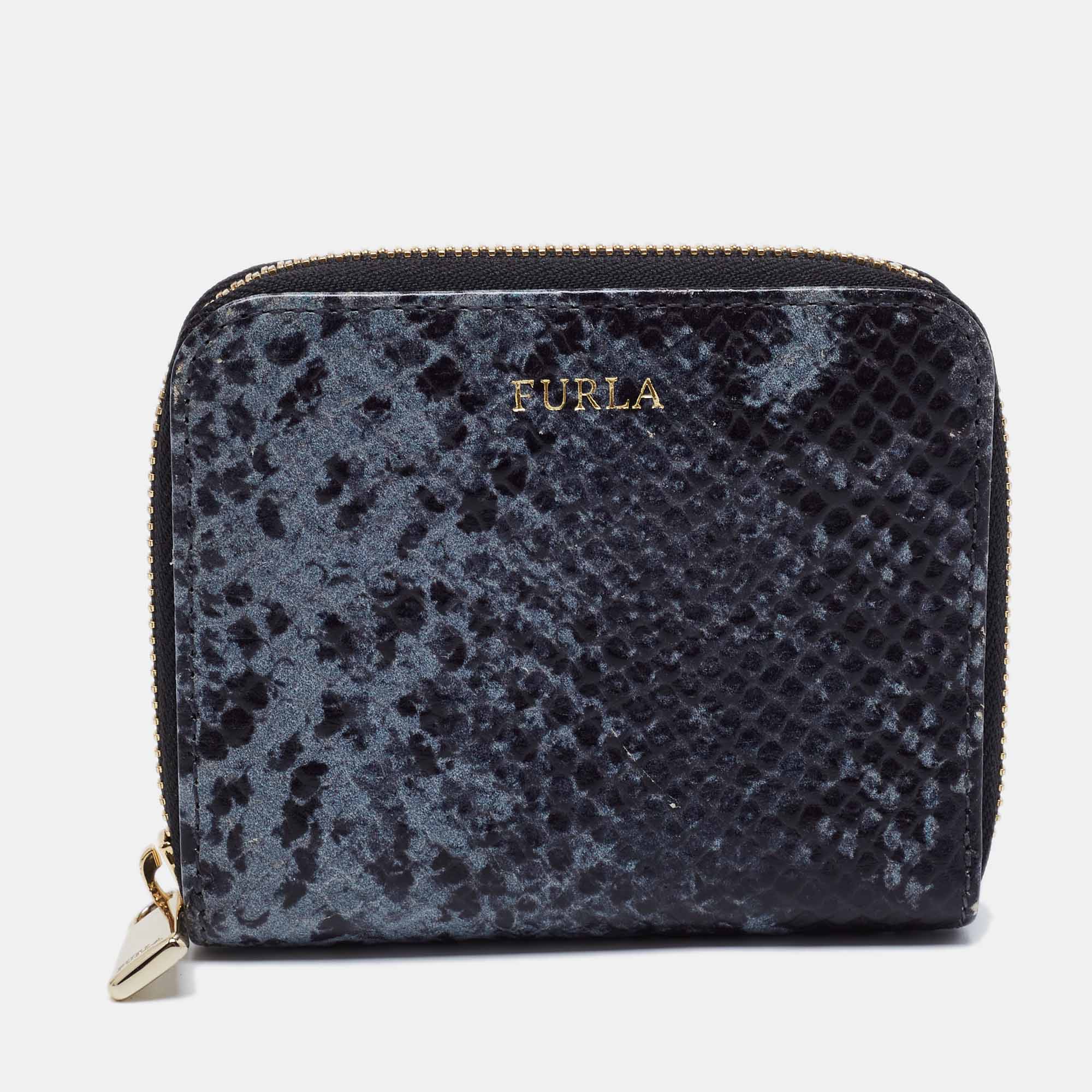
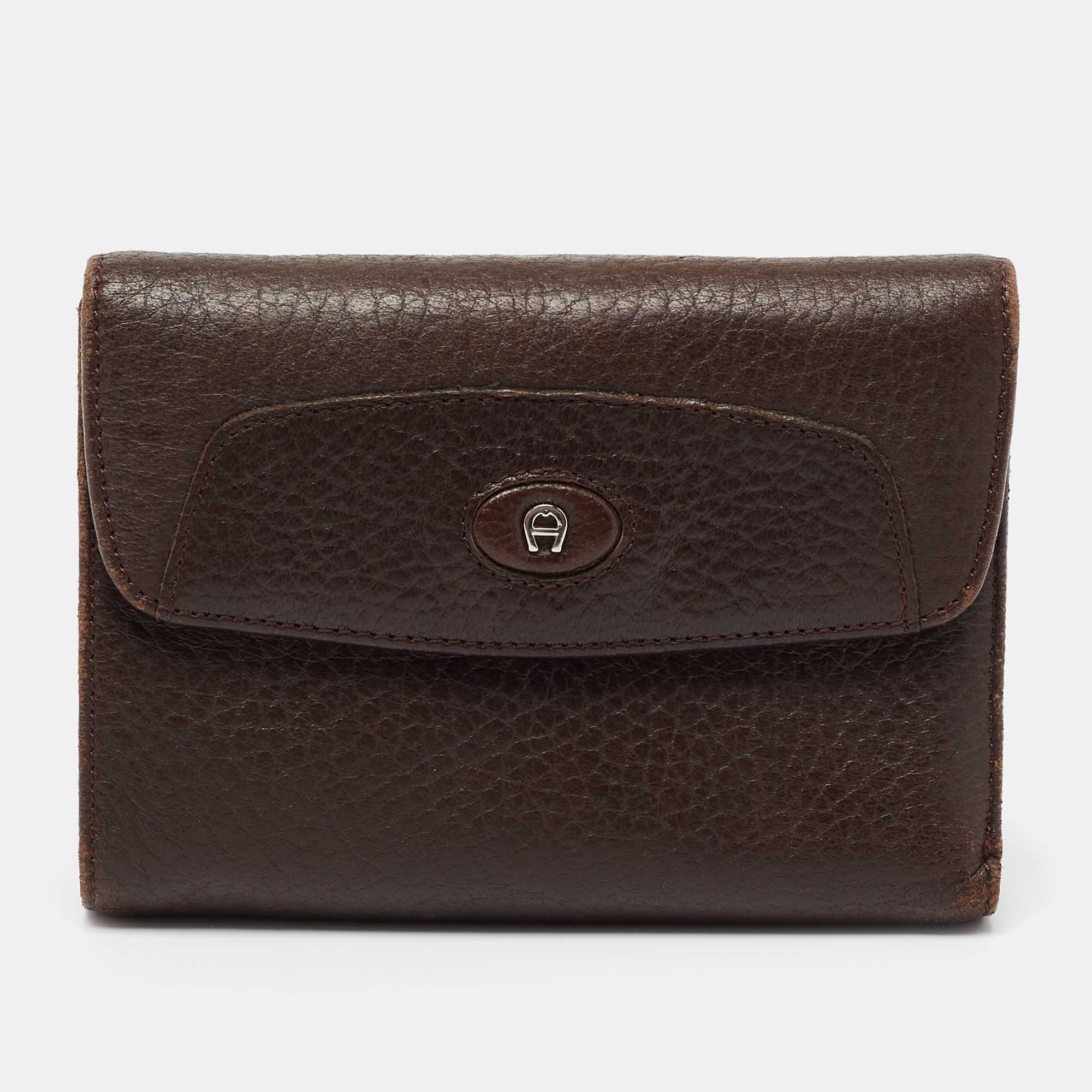
This behavior has reshaped how people shop. Research, comparison, and authentication play a larger role than impulse. Platforms that offer transparency and verification help support this mindset, making pre-owned luxury fashion easier to access with confidence. The Luxury Closet operates at the intersection of access, trust, and curation. By offering authenticated pieces from epochal fashion houses, it enables customers to engage with luxury without intimidation. Through careful selection and authentication, The Luxury Closet supports a model where fashion remains in use.
Sustainability Through Continued Use
Sustainability today is shaped less by slogans and more by behavior. Extending the life of existing garments reduces waste and lowers the need for constant production. This makes resale one of the most practical responses to environmental concerns within fashion.
Industry research consistently shows that resale growth is driven by consumers who value durability and transparency. Choosing pre-loved pieces allows people to participate in fashion while reducing pressure on resources. By keeping high-quality pieces in circulation, pre-owned luxury fashion aligns naturally with a more responsible approach to style.
Luxury in today’s times is being shaped by discernment. Buyers are more aware, more selective, and more intentional. They seek pieces that serve a purpose beyond a single season and continue to make sense over time. In this context, pre-owned luxury fashion is not a niche category but a reflection of how fashion is evolving. It connects past design intelligence with present-day needs, allowing style to move forward without constant replacement.

For those looking to pass on pieces they no longer use, selling with The Luxury Closet offers a considered way to keep them in circulation. Each item is carefully treated before entering the resale ecosystem, allowing it to continue its life with purpose.