I’ve been buying, trading, and occasionally regretting selling Jordans for most of my adult life, and I still think the original Air Jordan 1 is the most important sneaker ever made. Not the flashiest. Not even my favorite silhouette to wear. But the one that made everything after it possible.
This is one of those shoes people never stop searching for, whether they’re just typing in “Air Jordan” out of curiosity or getting specific with something like “Jordan 1” or “Nike Air Jordan.” A lot of that traffic honestly still traces back to Michael Jordan’s name alone, four decades later. So let’s actually get into why this shoe mattered, because the real story is better than the marketing version most people know.
Air Jordan 1 at a Glance
- Released: 1985
- Designer: Peter Moore
- Original price: $65
- Original colorway: Black/Red (“Bred”)
- Original style code: 4281
The History of the Air Jordan 1
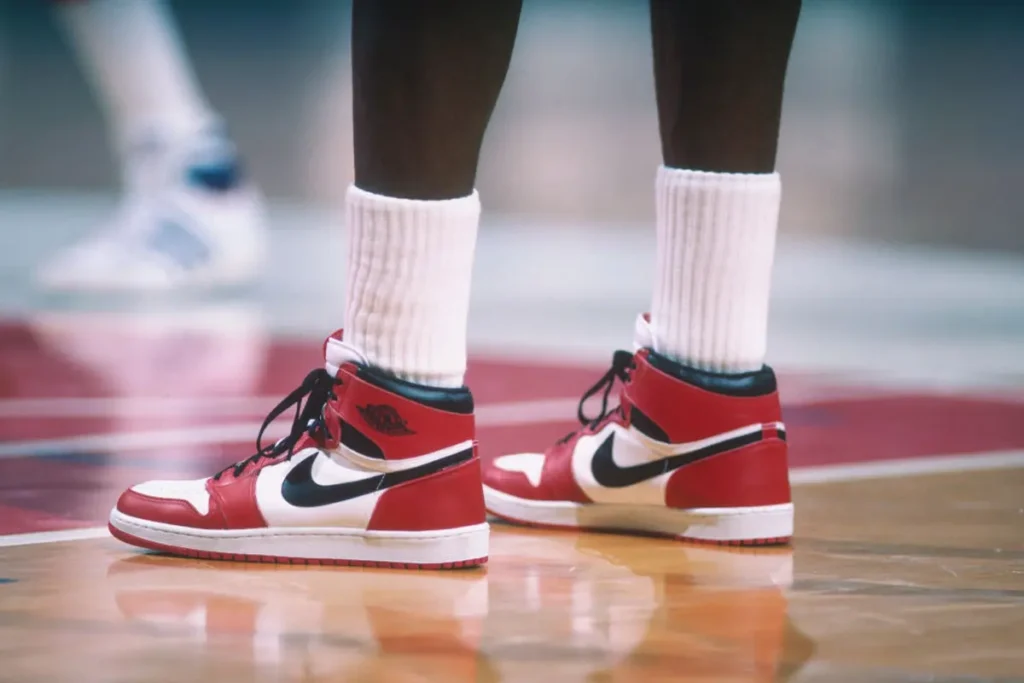
Michael Jordan came into the NBA in 1984 as the third pick in the draft, and honestly, Nike wasn’t his first choice. He liked Converse. He liked Adidas. Nike was still the smaller name in basketball at the time, which is wild to think about now.
What changed his mind was the offer: a five-year deal worth around $2.5 million plus royalties, and his own signature line. That was unheard of for a rookie. Nike designer Peter Moore got the job of actually building the shoe, and Jordan wanted something that stood out but still felt right on court. Moore came back with a high top, bold color blocking, Nike Air in the heel, premium leather, and that Wings logo on the ankle, said to be inspired by an airline pilot’s wing pin he noticed on a flight.
It launched on April 1, 1985, priced at $65. For a basketball shoe in the mid 80s, that was genuinely expensive. Nike was betting big.
Why Was the Air Jordan 1 So Important?
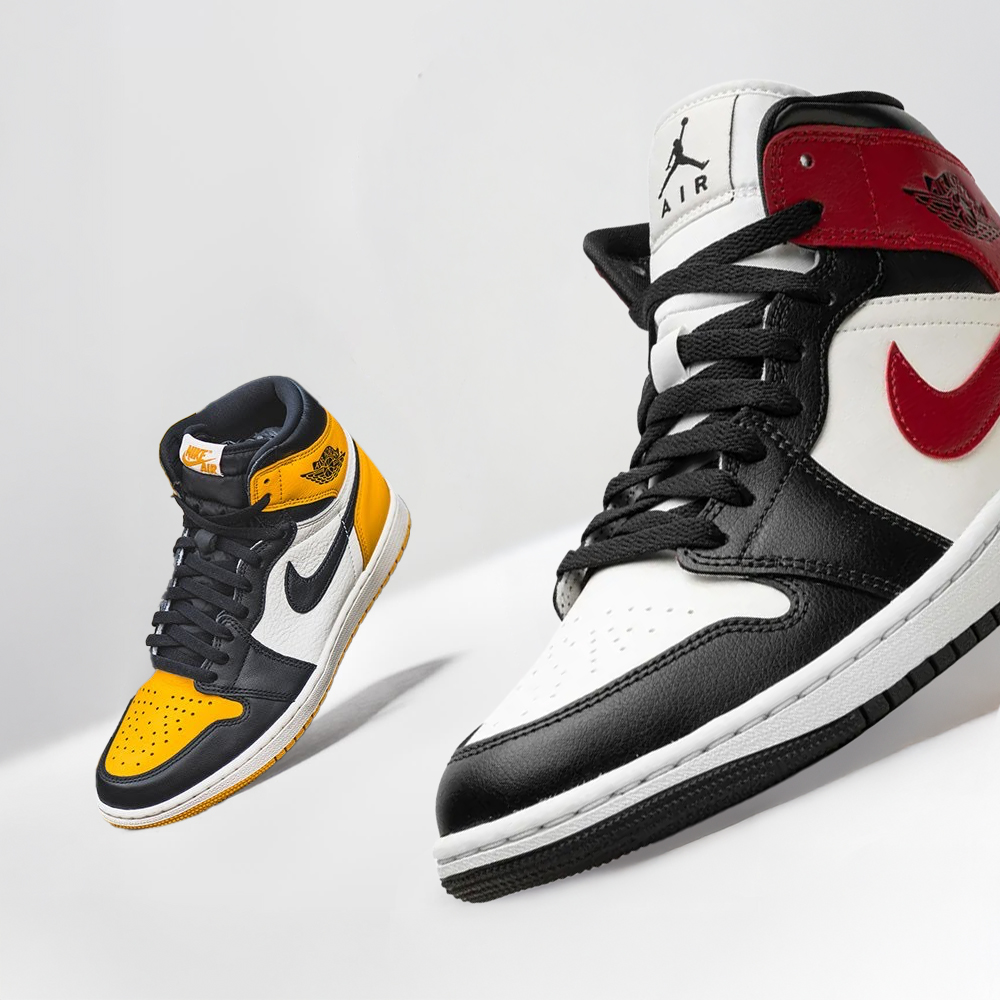
Nike’s internal target was modest, something like 100,000 pairs or about $3 million over a few years. What actually happened blew past that by a wide margin. Jordan’s own agent at the time, David Falk, has said the line brought in roughly $126 million in its first year, a figure that’s been repeated consistently across sneaker-industry retrospectives and business press since. Whatever the precise number, it’s clear Nike’s basketball business looked completely different a year after launch than it did before, and it proved a signature athlete shoe could be a cultural product, not just gear.
Jordan wore the original model through his rookie year and part of his second season before later numbered models took over.
Was the Air Jordan 1 Really Banned?
Short answer: not exactly, but close enough that the myth basically became the truth.
Before the Air Jordan 1 was fully released, Jordan wore a black-and-red Nike Air Ship during preseason. NBA rules at the time said shoes had to be mostly white and match team colors. His didn’t. The league fined him for it, commonly cited around $5,000 a game. Nike’s own historical materials now acknowledge that it was technically the Air Ship, not the Air Jordan 1 itself, that triggered that original fine, and that the two shoes’ stories have gotten tangled together over the decades.
Nike didn’t run from any of it. It built an entire campaign around the controversy. The famous “Banned” ad basically said the NBA threw the shoe out of the league but couldn’t stop people from wearing it. Whichever shoe technically caused the fine, the effect on the Air Jordan 1 was the same: it felt dangerous and desirable overnight, which is exactly what a good marketing story does.
What Made the Air Jordan 1 Different?
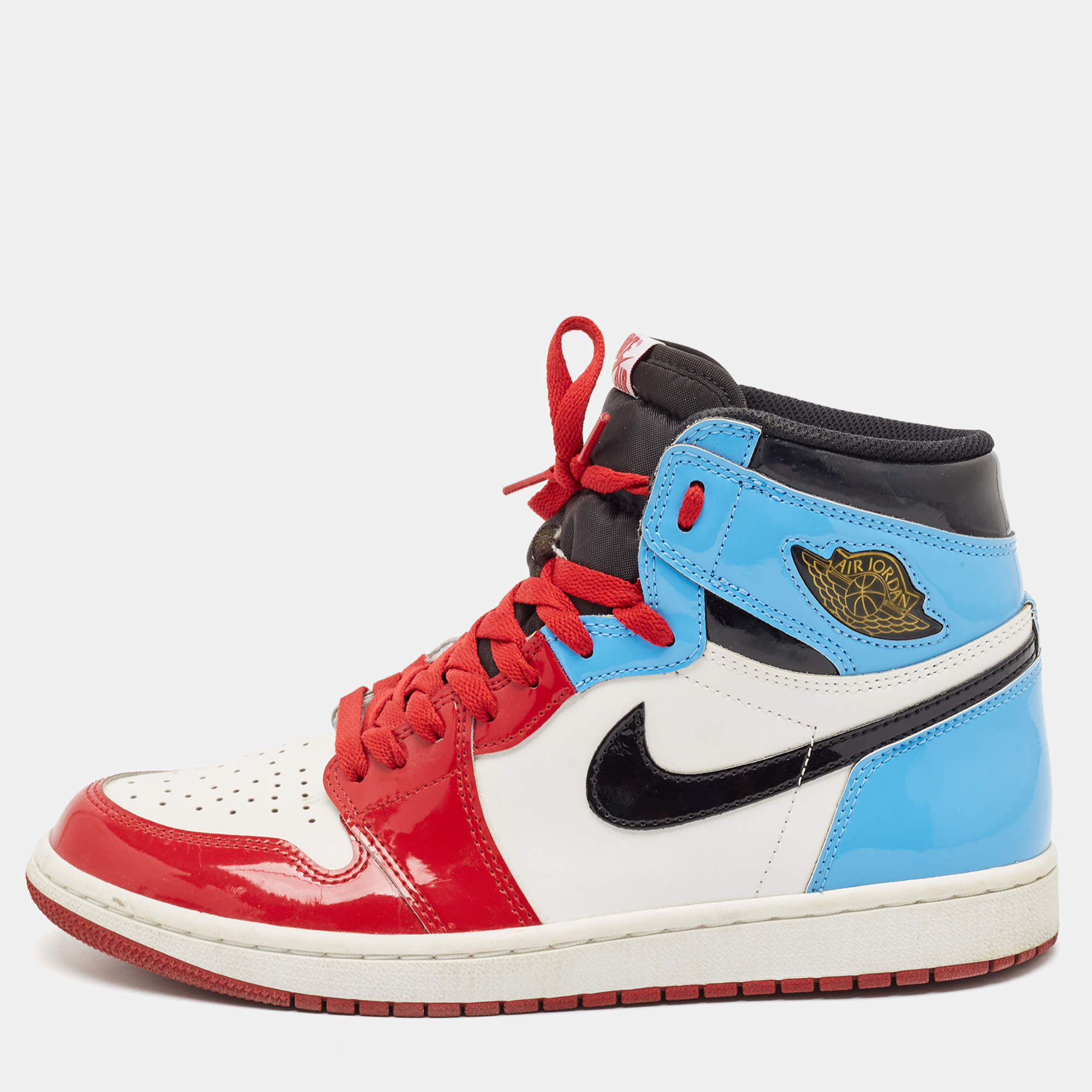
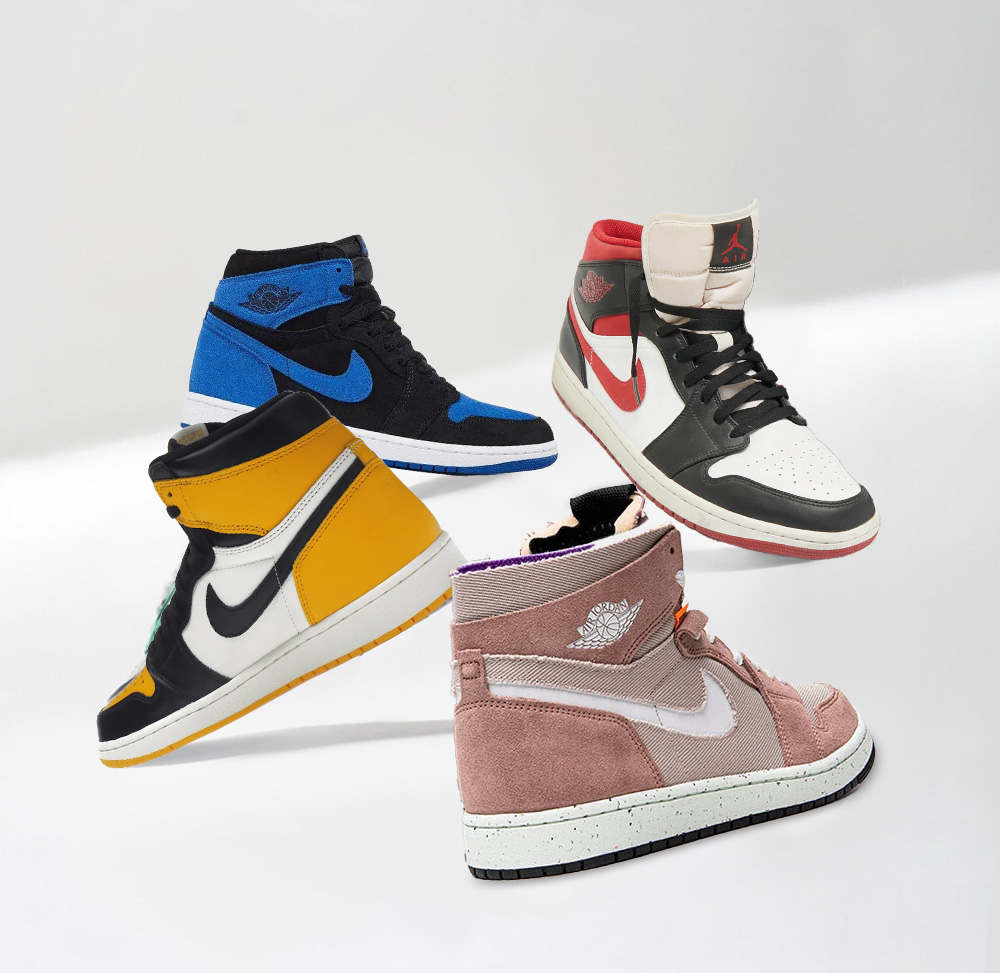
The original had a few things going for it that still show up in every retro today: a high-top build for ankle support, bold color-blocked leather panels that made the colorways pop, the Wings logo on the ankle, a visible Nike Air unit in the heel, and a big Swoosh, back when Jordan shoes still carried it. Later variants have shifted materials, proportions, and branding details over the years, so those elements are the shoe’s signature DNA rather than a fixed spec that every single pair shares.
The Most Iconic Air Jordan 1 Colorways
You don’t need to know them all, but a handful matter enough to know why.
Chicago (white/black-red) is the one most people picture when they hear “Air Jordan 1.” It’s tied directly to Jordan’s own team colors and has become the silhouette’s default reference point.
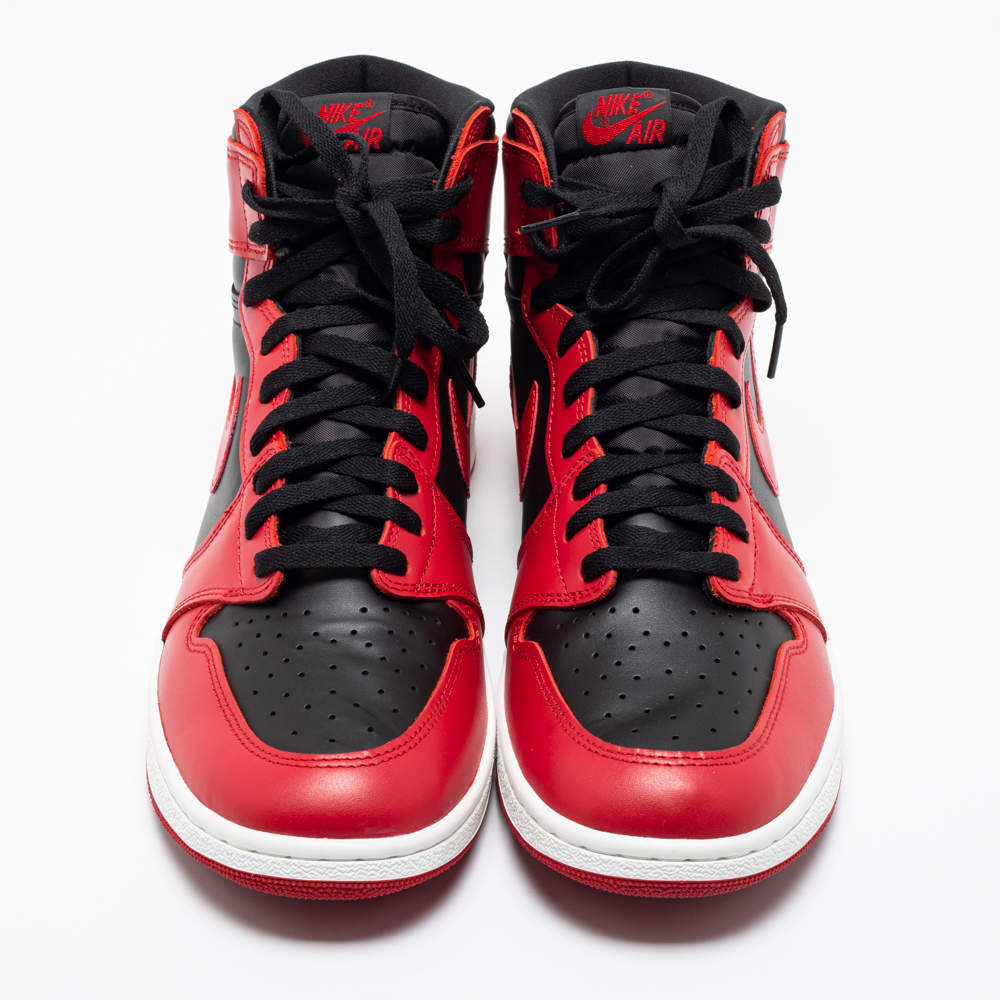
Bred (black/red), the original 1985 colorway and the center of the banned story, carries the most historical weight of any Jordan 1 release.
Royal (black/royal blue) rounded out the original trio and has quietly become a favorite among long-time collectors precisely because it’s overshadowed by Chicago and Bred.
Black/White strips the design down to its simplest form, and its minimalism has made it a recurring favorite for people who want the silhouette without the loud color story.
Lost & Found is a modern retro built to look deliberately aged and worn, a rare case of Nike selling nostalgia for the shoe’s own history rather than just reissuing it clean.
Travis Scott collaborations brought the Jordan 1 into hypebeast territory in the 2010s and 2020s, reworking the silhouette with reversed Swooshes and distressed detailing that regularly resell for multiples of retail.
From the Court to Streetwear Icon

This was built as a performance basketball shoe. It didn’t stay one for long. Within a few years, it was a streetwear staple, a hip-hop signifier, a flex, and eventually a canvas designers wanted to touch. Every later model built on that foundation, but the 1 is where it all started, and honestly, it’s still the one people come back to.
How the Rest of the Industry Reacted
The Air Jordan 1 entered an already competitive basketball market.
Converse had decades of court credibility with the Chuck Taylor and later the Weapon;
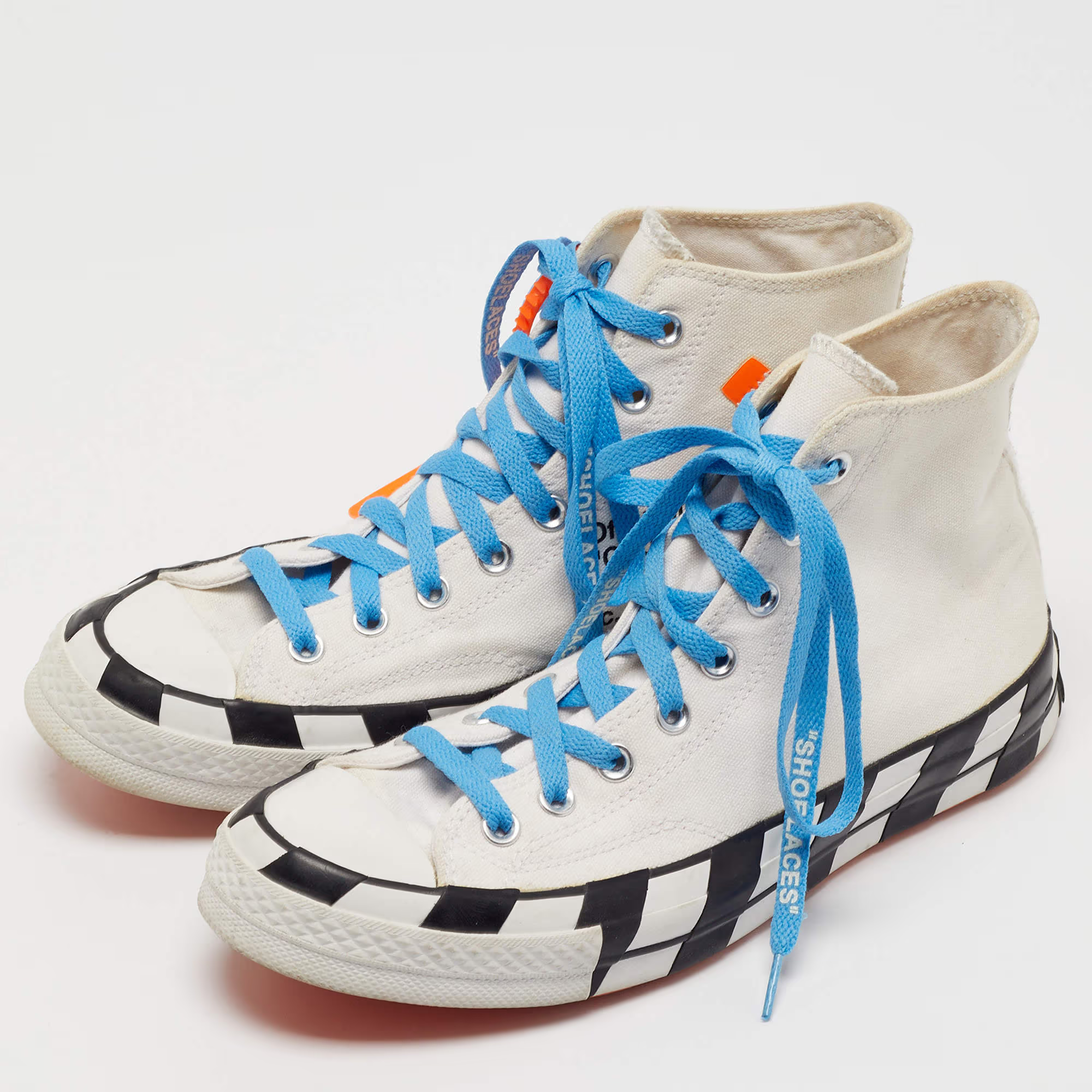
Adidas had the Superstar and a strong basketball presence;
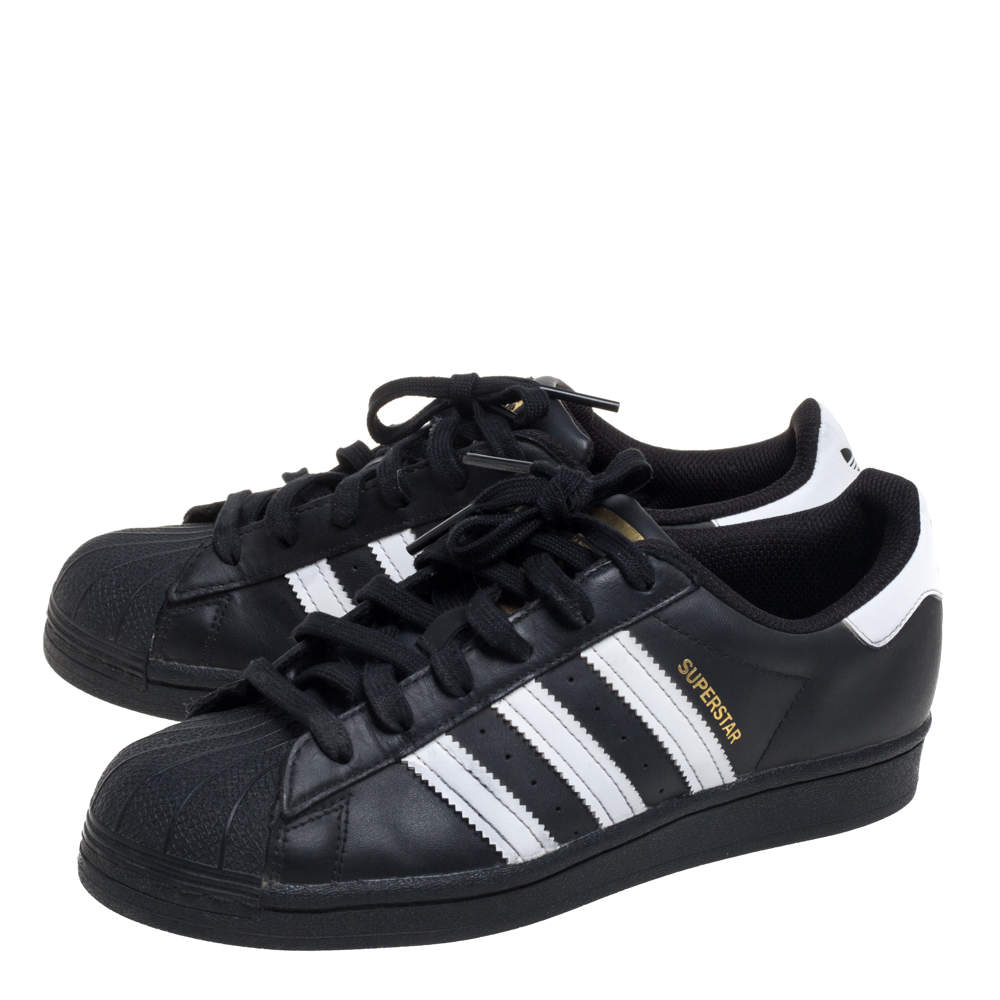
Nike did something different: it made the athlete, the story, and the shoe inseparable. The Air Jordan 1 wasn’t marketed simply as performance footwear; Michael Jordan’s identity became part of the product, while its bold design and controversial reputation gave it an appeal that extended well beyond basketball.
The competition responded in different ways. Converse gradually lost ground as basketball footwear became increasingly driven by signature athletes and performance innovation, and it eventually became part of Nike’s portfolio when Nike acquired the company in 2003. Adidas remained a major force in sport and fashion, while Reebok took a more technology-focused approach with the Reebok Pump, introduced in 1989. The Pump’s inflatable fit system was genuinely innovative and gave Reebok a strong performance story, but it couldn’t replicate the broader cultural phenomenon created by Jordan.
The Air Jordan 1 mattered because it changed the competitive formula itself. A basketball shoe could now be built around an athlete’s identity, a distinctive design, and a compelling story, then move seamlessly into streetwear, music, fashion, and collecting. Later signature shoes and collaborations—from Stephen Curry’s line with Under Armour to major Jordan collaborations—would operate in a sneaker culture that the Air Jordan 1 helped create.
That’s its real legacy. It didn’t just beat other basketball shoes; it expanded what a sneaker could be: performance footwear, a fashion statement, a cultural symbol, and a collectible all at once.
Then vs Now: Is the Air Jordan 1 Still a Good Basketball Shoe?
People throw around “best basketball shoes ever” a lot without actually breaking down why, so here’s the honest version, not the marketing version.
Back in 1985, the Air Jordan 1 wasn’t winning purely on performance. It was a solid shoe, but the Converse Chuck Taylor it competed against was basically a canvas sneaker with almost no cushioning, so anything with real leather and a heel Air unit felt like an upgrade. Here’s roughly how the main options of that era actually compared:
Shoe |
Cushioning |
Ankle Support |
Traction |
Weight |
Original Price |
|---|---|---|---|---|---|
| Air Jordan 1 (1985) | Nike Air heel unit, a real step up | High-top, genuinely supportive | Solid rubber outsole, good for the era | Moderate; leather adds some heft | $65 |
| Converse Chuck Taylor | Minimal, essentially flat canvas | Low to mid, not much lateral support | Thin rubber sole, wore down fast | Light but offered little protection | Around $30 |
| adidas Superstar | Basic foam, nothing special | Low top, minimal ankle coverage | Decent on hardwood, average overall | Light | Around $40 to $50 |
| Reebok Pump (1989) | Inflatable air chamber, innovative for its time | Adjustable fit, strong lockdown | Good, but the tech added bulk | Heavier due to the pump mechanism | Around $170 |
In a nutshell
On pure cushioning and support, the Air Jordan 1 beat Converse and adidas, but it wasn’t objectively the most advanced shoe of its era. The Reebok Pump was arguably more technically interesting. What the Air Jordan 1 had that none of the others did was the athlete behind it and the story around it, and in this category, that matters just as much as the outsole.
Now compare that to today. The Air Jordan 1 you buy now is basically a lifestyle shoe. Jordan Brand’s actual performance basketball line has moved on to models built for current players, and if you’re picking a shoe purely to hoop in, current Nike and Jordan performance models, along with Under Armour’s Curry line and Puma’s current signature shoes, will outperform an Air Jordan 1 on responsiveness, traction compound, and weight every time.
Today, the Air Jordan 1 is primarily associated with lifestyle and streetwear, while players looking for modern on-court performance generally have more technically advanced basketball shoes to choose from, including current Jordan Brand performance models and lines from Under Armour and Puma. From a cultural and commercial standpoint, though, few shoes in the category are close to it, then or now.
Air Jordan 1 and Sneaker Culture
Most releases are still built with men in mind first: size runs, marketing, colorway drops, all of it. But that’s a shrinking part of the real picture. As a woman who’s spent plenty of time on both sides of the resale market, I’ve watched dedicated women’s sizing and colorways go from an afterthought to one of the fastest-growing corners of the entire Jordan resale scene. It’s not guys buying down half a size anymore; it’s its own audience with its own demand. And for parents, there’s a whole kids’ lineup too, scaled-down versions of the classic colorways that let a kid grow up in these without anyone hunting down adult sizes and hoping for the best fit.
Collecting itself has become its own hobby around this shoe, separate from actually wearing it. Deadstock pairs, rare colorways, and documented Jordan game-worn pairs now move through auction houses as legitimate collectibles, not just sneaker forums.
How to Authenticate Air Jordan 1s?
If you’re spending real money on either an original pair or a modern retro, authenticity is where things can go wrong. No single detail below proves a pair is real on its own; compare several of them against reliable references for that exact release before you trust your money to any one clue.

- Check the box label against the style/colorway you’re buying.
- Compare the style code printed on the box and shoe to verified references for that release.
- Examine the tongue tag for correct fonts, spacing, and placement.

- Inspect stitching and panel construction for even, tight stitching across every panel.
- Compare the Wings logo placement and stamping to that colorway’s known specs.
- Check the Swoosh shape and placement, which shifts subtly across release years.
- Examine the outsole pattern and material against reference photos.
- Inspect the insole and internal construction, including any printed size and factory codes.
- Cross-check every detail against the exact colorway and release year, since specs change between them.
- Consider the seller’s authentication process, or lack of one, before you buy.
Buying Pre-Owned Air Jordans
Pre-owned is where a lot of the most interesting Jordan 1 shopping actually happens, especially if you’re chasing something Nike isn’t currently selling new. A few things worth checking beyond straight authenticity:
- Condition and creasing — toe-box creasing is normal on worn pairs, but heavy creasing affects both looks and resale value.
- Outsole wear — tells you how much the shoe was actually worn versus displayed.
- Yellowing — common on older midsoles exposed to light and air over time, and not always reversible.
- Sizing — vintage Jordan sizing can run differently than current releases, so check seller-provided measurements rather than assuming true-to-size.
- Box and accessories — original boxes, extra laces, and hang tags all affect both authenticity confidence and resale value.
- Seller reputation and return policy — a clear return policy is one of the best practical signals a seller stands behind what they’re selling.
If you’re shopping for pre-owned Air Jordans, prioritize platforms that clearly explain their authentication and condition-grading process rather than relying on photos alone. The Luxury Closet’s pre-owned sneaker selection is a good place to start if you want that verification built in.
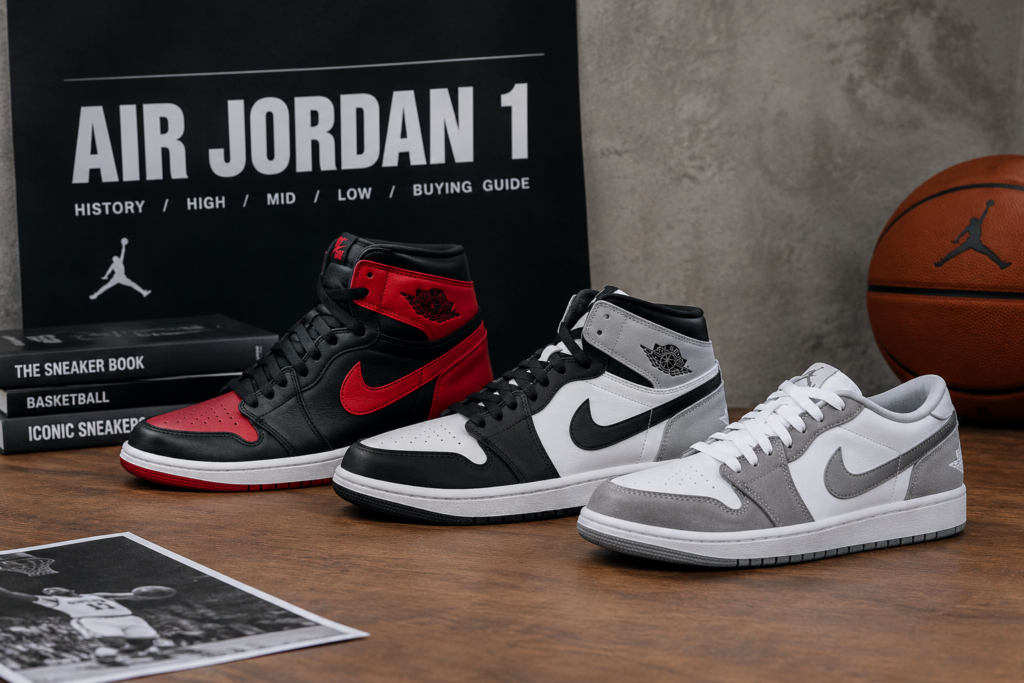
Air Jordan 1 High vs. Mid vs. Low
I get asked this all the time, so here’s the short version.
Air Jordan 1 High, including the Retro High OG, is the closest thing to the original 1985 shoe. Maximum ankle coverage, the classic look.

Air Jordan 1 Mid trims the collar down a bit for more mobility and usually costs a little less. This is what most people end up wearing day-to-day.

Air Jordan 1 Low is the most casual of the three, good for warmer weather, and typically the cheapest way into the line if you’re buying new.
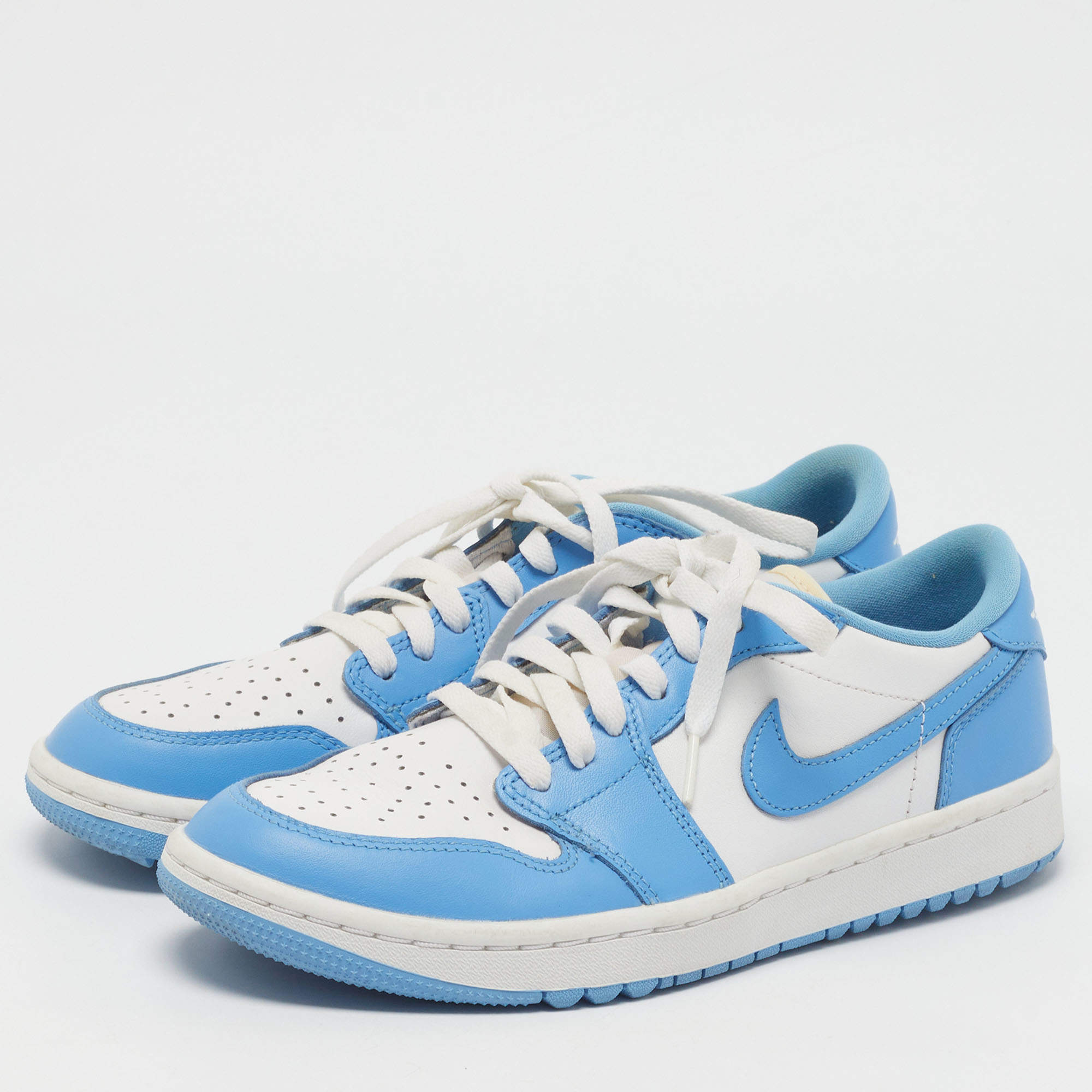
All three share the same panels, the Wings branding, and the heel Air unit. The real difference is just how much ankle they cover and what that does to the fit.
| Style | Best for | Key difference |
|---|---|---|
| Air Jordan 1 High (including Retro High OG) | Classic look, collectors | Highest collar, closest visual connection to the 1985 original |
| Air Jordan 1 Mid | Everyday wear | Shorter collar than the High, more mobility, usually a lower price point |
| Air Jordan 1 Low | Casual styling, warmer weather | Low-cut profile, the most versatile day-to-day option |
All three lean on the same design language: the panels, the Wings branding, the general silhouette, but exact construction and materials can vary by release and colorway, so it’s worth checking the specific pair rather than assuming every version is built identically.
Which Air Jordan 1 You Should Buy?
Buy the High if you want the most recognizable OG-inspired silhouette and don’t mind the extra collar height.
Opt for the Mid if you want the Jordan 1 look for everyday wear without paying a premium for every High release.
Buy the Low if you prefer a lower-profile sneaker that’s easier to style casually and want the most versatile option of the three.
Consider pre-owned if you’re chasing discontinued colorways, older retros, or specific collaborations that are hard to find new.
It’s Not Just a Men’s Shoe Anymore

Most releases are still built with men in mind first: size runs, marketing, colorway drops, all of it. But that’s a shrinking part of the real picture. As a woman who’s spent plenty of time on both sides of the resale market, I’ve watched dedicated women’s sizing and colorways go from an afterthought to one of the fastest-growing corners of the entire Jordan resale scene.

It’s not guys buying down half a size anymore; it’s its own audience with its own demand.
And for parents, there’s a whole kids’ lineup now too, scaled-down versions of the classic colorways that let a kid grow up in these without anyone hunting down adult sizes and hoping for the best fit.

Still the One Everyone Comes Back To
It keeps refreshing itself through retros without ever losing what made it work in the first place. It covers basketball, streetwear, and everyday wear across the High, Mid, and Low without really changing the formula. And there’s still something about putting on a pair that connects back to Jordan’s career and to where sneaker culture actually started.
The first Air Jordans were never really just shoes. They were the moment Nike, Michael Jordan, and one genuinely bold design came together and made something bigger than basketball. Forty-plus years later, that’s still true, and every new retro is basically Nike admitting they haven’t topped the original.
You could be after the original-inspired High, an everyday Mid, or the easier-to-style Low; that said, the Jordan 1 remains one of the most recognizable sneakers ever made. If you’re looking beyond current retail releases, the pre-owned market can also open up older colorways, discontinued editions, and hard-to-find pairs.
Explore pre-owned Air Jordans at [The Luxury Closet →]
Sources: Nike’s official Air Jordan 1 archive, reporting from NBA.com, Boardroom, and Complex, and historical sneaker documentation from SneakerNews and Sole Collector. Details on the exact fine amount and which shoe triggered the original NBA fine vary across these sources and are noted above where accounts differ.